In the demanding landscape of modern heavy industry, the double girder gantry crane stands as a cornerstone of material handling efficiency. By utilizing two parallel main beams to support the hoist, these systems provide unmatched stability and lifting capacity, allowing facilities to move massive loads across expansive outdoor or indoor areas with precision. Understanding the mechanics and strategic application of these cranes is essential for any operation looking to optimize its logistical throughput.
Globally, the shift toward larger-scale manufacturing and prefabricated construction has intensified the reliance on heavy-duty lifting solutions. Whether in a shipyard, a steel mill, or a large-scale warehouse, the ability to lift heavy components safely and reliably is not just a matter of convenience—it is a critical safety requirement. The integration of advanced metallurgy and automated controls has transformed these machines from simple lifting tools into intelligent industrial assets.
Choosing the right lifting equipment can be the difference between a streamlined production line and a costly bottleneck. This guide delves into the technical advantages, global applications, and future innovations of the double girder gantry crane, providing industry professionals with the insights needed to enhance their operational reliability and long-term ROI.
Global Relevance of Double Girder Gantry Cranes
From a global industrial perspective, the double girder gantry crane is indispensable for infrastructure development. According to ISO standards for lifting equipment, stability and load distribution are the primary drivers for selecting double-beam configurations over single-beam alternatives. In rapidly developing economies, these cranes facilitate the construction of bridges, power plants, and shipping ports, acting as the "muscles" of heavy industrialization.
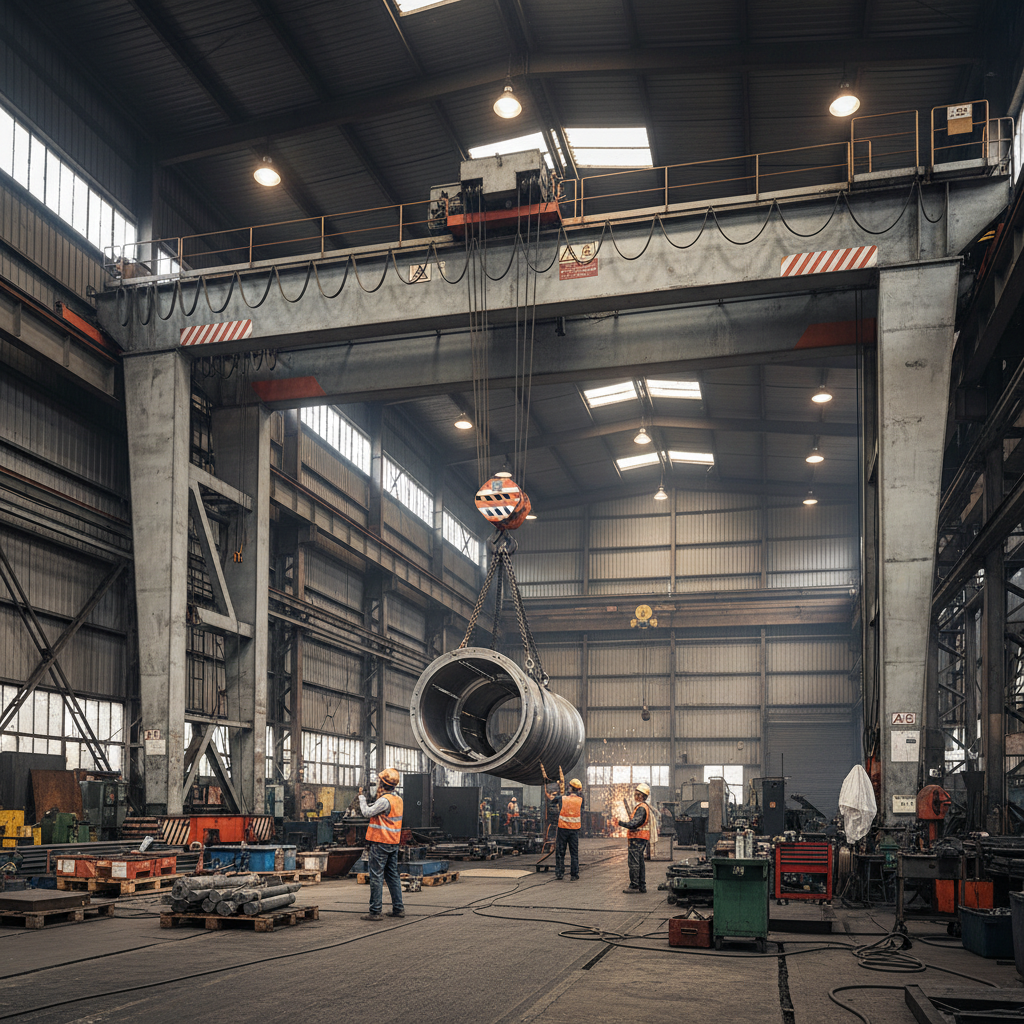
The challenge many industries face is the increasing weight of modern components—such as wind turbine blades or massive precast concrete slabs—which exceed the safety limits of standard hoist systems. By distributing the load across two girders, these cranes significantly reduce deflection and increase the lift height, ensuring that massive weights can be maneuvered without compromising the structural integrity of the crane or the safety of the operators.
Technical Definition and Industrial Meaning
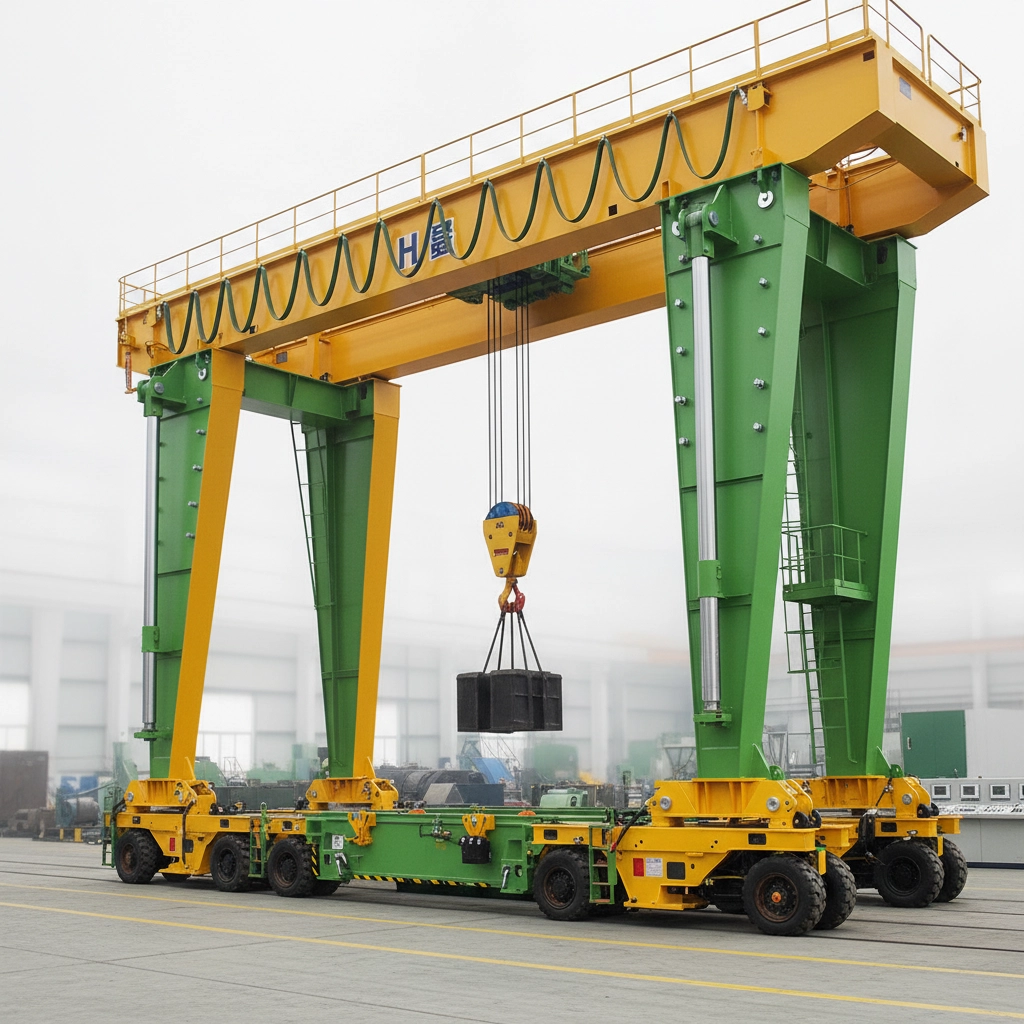
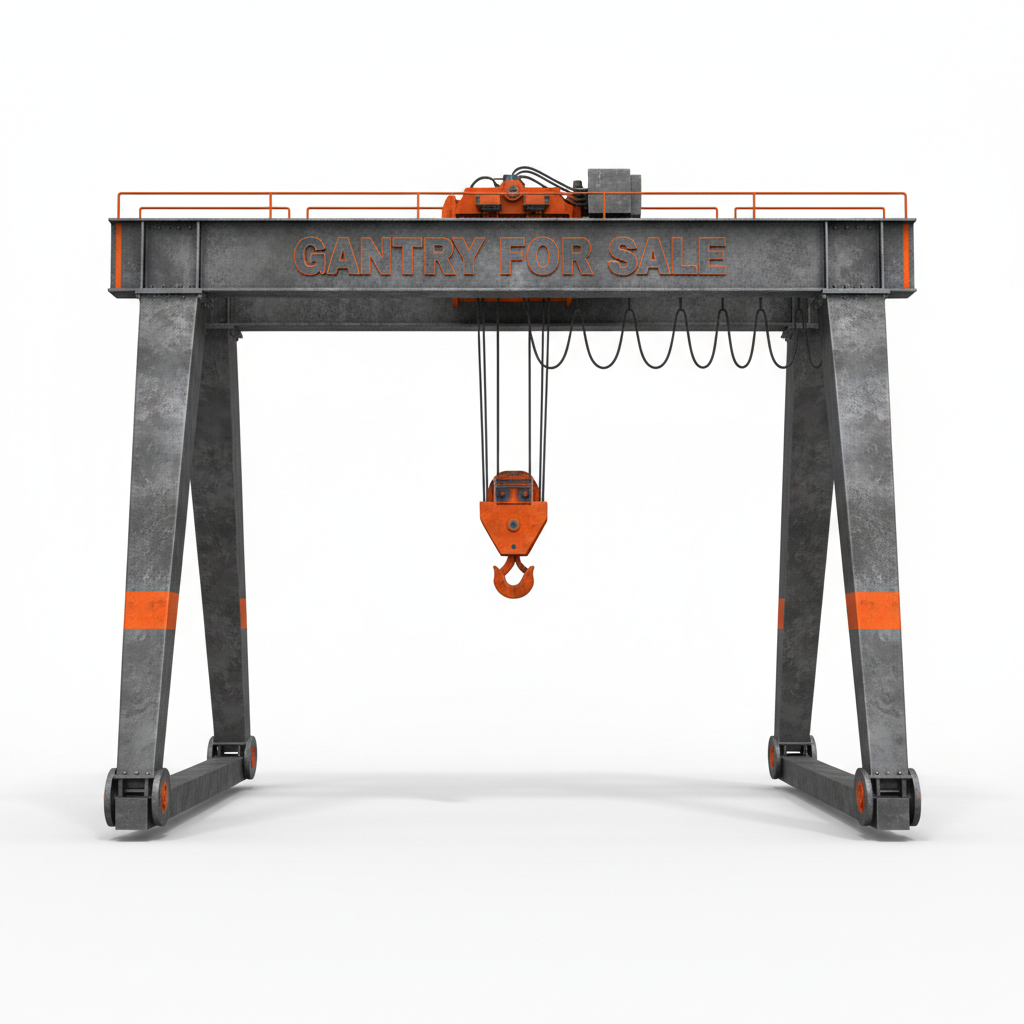
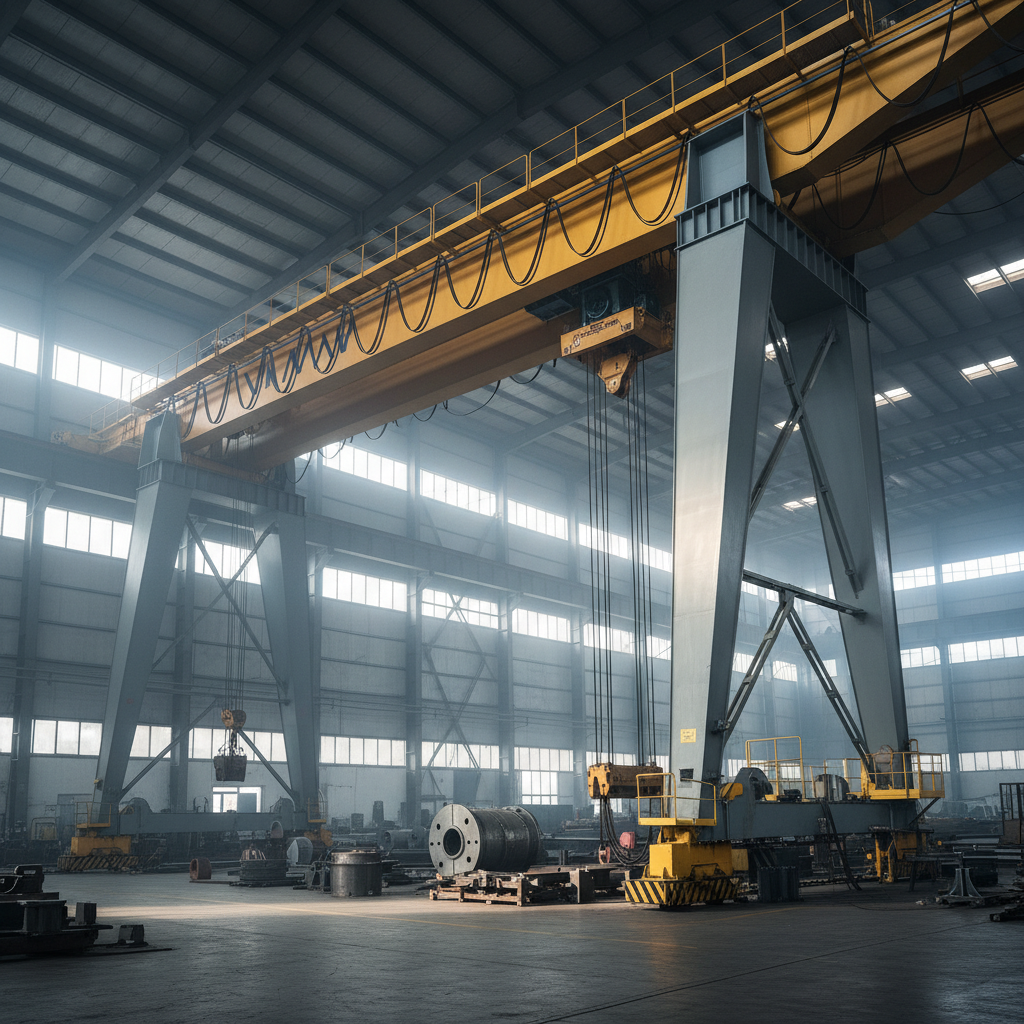
At its core, a double girder gantry crane is a bridge crane supported by legs that travel on rails or wheels, featuring two parallel main beams (girders) that support a trolley and hoist. Unlike single-beam models, the trolley in a double-girder system typically sits on top of the beams, allowing for a much higher lift height because the hoist does not occupy the space beneath the beam.
In the context of modern industry, this equipment represents the intersection of structural engineering and logistical optimization. It is not merely a tool for lifting, but a strategic asset that defines the maximum capacity of a production facility. For industries dealing with oversized cargo, the double girder configuration is often the only viable solution to meet the rigorous safety factors required by international workplace health and safety regulations.
Beyond the technical specifications, these cranes serve a vital humanitarian and developmental role. In post-disaster reconstruction or the establishment of remote industrial zones, the ability to deploy high-capacity lifting solutions allows for the rapid installation of critical infrastructure, such as water treatment plants and modular housing, thereby accelerating the recovery and growth of affected regions.
Core Components for Maximum Durability
The durability of a double girder gantry crane begins with the quality of its main girders, usually fabricated from high-strength Q235 or Q345 steel. These beams are designed to resist torsion and bending under extreme loads, ensuring that the crane remains stable even when operating at its maximum rated capacity in outdoor environments.
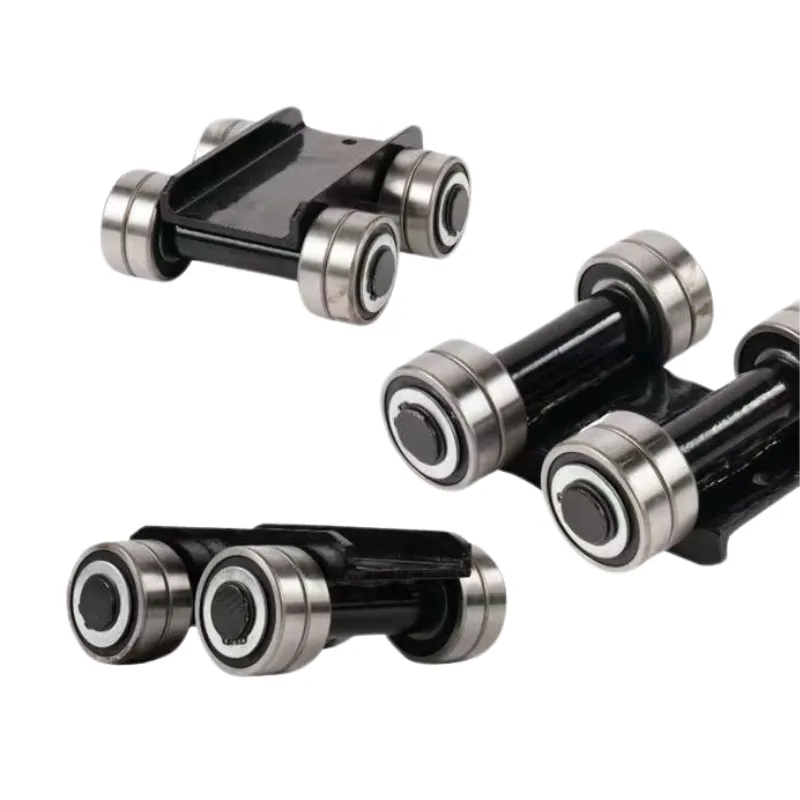
Crucial to the system's efficiency is the trolley and hoist mechanism. In a professional double girder gantry crane, the trolley is engineered for smooth traversal across the beams, utilizing precision-machined wheels and high-torque motors to ensure that positioning is accurate to within millimeters, which is vital for assembling complex machinery.
Finally, the leg structure and travel mechanism provide the necessary mobility. Whether utilizing a rail-mounted system for precision or rubber tires for flexibility, the base of the crane must be designed to handle the combined weight of the structure and the load without settling or shifting, maintaining a level plane for safe hoisting operations.
Global Applications and Use Case Analysis
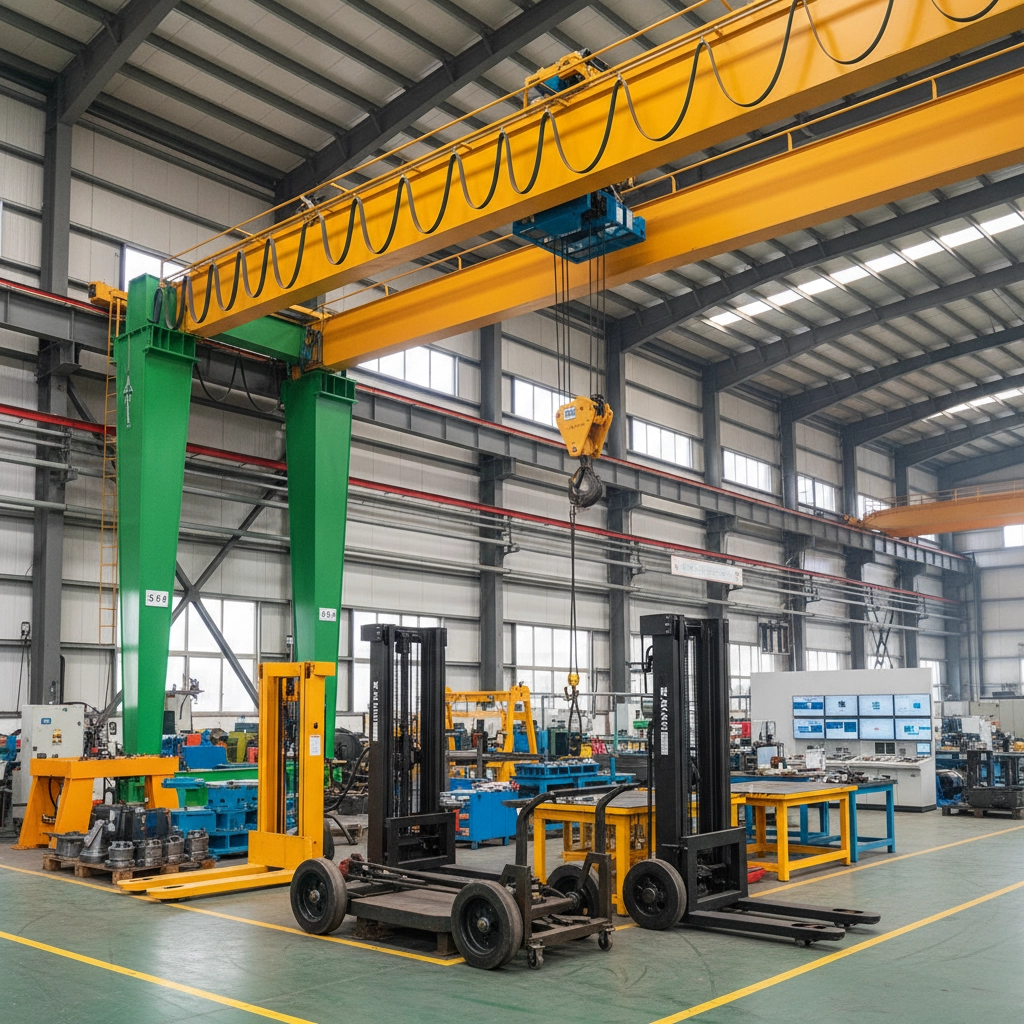
The versatility of the double girder gantry crane allows it to be deployed across diverse sectors. In the automotive industry, they are used to move entire chassis or heavy engine blocks between assembly stations. In the energy sector, they are essential for the installation of heavy transformers and generators in power substations across North America and Europe.
Real-world applications also extend to extreme environments. In remote mining zones in Australia or South America, these cranes are utilized to move massive ore-crushing equipment. Because they can be customized for weather resistance (anti-corrosion coatings), they are equally effective in humid coastal shipyards where saltwater exposure would degrade standard machinery.
Performance Comparison of Double Girder Gantry Crane Configurations
Tangible Advantages and Long-Term Value
The primary advantage of investing in a double girder gantry crane is the drastic increase in safety and load capacity. By distributing the weight over two beams, the system minimizes the risk of structural failure and provides a more stable lift, which reduces the likelihood of load swing. This stability translates directly into lower insurance premiums and a safer work environment for employees.
From a long-term financial perspective, these cranes offer exceptional sustainability. Their robust design ensures a lifespan of several decades if properly maintained. Furthermore, the ability to customize the span and lifting height means a company can scale its operations without needing to replace its entire material handling infrastructure, providing a future-proof investment that supports business growth.
Future Trends in Gantry Crane Automation
The next generation of the double girder gantry crane is being shaped by the Fourth Industrial Revolution (Industry 4.0). We are seeing the integration of AI-driven collision avoidance systems and semi-autonomous movement, which allows cranes to transport loads between predefined coordinates with minimal human intervention, drastically reducing the risk of operator error.
Digital transformation is also bringing predictive maintenance to the forefront. By installing IoT sensors on the hoist motors and girder joints, operators can now monitor structural stress and wear in real-time. This shifts the maintenance paradigm from "reactive" (fixing it when it breaks) to "predictive," ensuring that the crane never experiences unplanned downtime during peak production cycles.
Sustainability is another driving force. Future models are increasingly incorporating regenerative braking systems, which capture the energy generated during the lowering of a load and feed it back into the facility's power grid. This green energy approach not only reduces the carbon footprint of the manufacturing plant but also lowers overall operational costs.
Challenges and Expert Engineering Solutions
Despite their power, double girder gantry crane systems can face challenges such as "crabbing" (misalignment of the legs) or structural fatigue over time. These issues are often caused by uneven rail wear or overloading. To combat this, expert engineers recommend the installation of skewing sensors and high-precision rail alignment tools to ensure perfectly parallel movement.
Another common limitation is the initial cost and installation complexity compared to smaller lifting devices. However, this is solved through modular design. By utilizing prefabricated components that can be bolted together on-site, the time and cost associated with installation are significantly reduced, making heavy-duty capacity accessible to mid-sized enterprises.
Finally, the challenge of operating in extreme weather—such as high wind speeds in open yards—is managed through the integration of storm anchors and wind speed anemometers. These safety devices automatically alert the operator or trigger a lockdown sequence when wind speeds reach dangerous levels, ensuring that the crane remains anchored and secure.
Comprehensive Analysis of Double Girder Gantry Crane Technical Specifications
| Crane Configuration |
Load Capacity (Tons) |
Lift Height (Meters) |
Durability Score (1-10) |
| Standard Industrial Model |
20 - 50T |
6 - 12m |
8 |
| Heavy-Duty Steel Mill Type |
50 - 200T |
12 - 25m |
10 |
| Precision Assembly Model |
10 - 30T |
6 - 10m |
7 |
| Outdoor Port Variant |
100 - 500T |
20 - 40m |
9 |
| Customized Modular Unit |
15 - 60T |
8 - 15m |
8 |
| Automated Smart Crane |
30 - 100T |
10 - 20m |
9 |
FAQS
The primary advantages are increased load capacity and greater lift height. Because the hoist is supported by two beams and typically sits on top of them, it doesn't take up headroom beneath the beam, allowing you to lift loads higher. Additionally, the dual-beam structure provides significantly more stability and reduced deflection, making it the safer choice for heavy-duty industrial applications.
While specific intervals depend on usage intensity, a general rule is a daily pre-operational check, a monthly detailed inspection of cables and hooks, and a comprehensive structural audit every six to twelve months. Regular lubrication of the trolley rails and checking the wear of the travel wheels is critical to prevent "crabbing" and ensure long-term operational safety.
Yes, but they require specific modifications. To prevent corrosion, a double girder gantry crane intended for shipyards or ports should be treated with epoxy-based marine coatings and galvanized hardware. Additionally, using saltwater-resistant seals for motors and electrical cabinets (IP65 or higher) is essential to prevent moisture ingress and electrical failure.
Absolutely. Most modern cranes can be retrofitted with Variable Frequency Drives (VFDs) for smoother movement, and IoT sensors for position tracking. Advanced automation can be added by installing PLC controllers and laser-based collision avoidance systems, allowing the crane to move loads semi-autonomously between set points.
With a high-quality build and a rigorous maintenance schedule, these cranes can easily last 20 to 30 years. The structural steel girders often last a lifetime, while wear-and-tear components like hoist ropes and electrical contactors are replaced periodically. The long-term value lies in the durability of the primary frame.
The span is determined by the width of the area you need to cover plus the required clearance for the crane's legs. You must also consider the "safe working load" (SWL) for that specific span, as wider spans increase the stress on the girders. We recommend consulting with a structural engineer to ensure the floor or rail system can support the combined weight.
Conclusion
The double girder gantry crane is far more than just a lifting machine; it is a critical engine of industrial productivity. By offering superior stability, massive load capacities, and the flexibility to operate in the most demanding environments, it enables companies to push the boundaries of what they can build and manufacture. From the precision of an assembly line to the raw power of a steel mill, the strategic implementation of this technology ensures safety, efficiency, and structural reliability.
Looking forward, the integration of AI, IoT, and green energy will continue to elevate the capabilities of gantry cranes, turning them into intelligent partners in the supply chain. For businesses aiming to scale their operations while maintaining the highest safety standards, investing in a high-quality double girder system is the most sustainable path forward. To explore our full range of industrial lifting solutions, visit our website: www.daweihoisting.com.