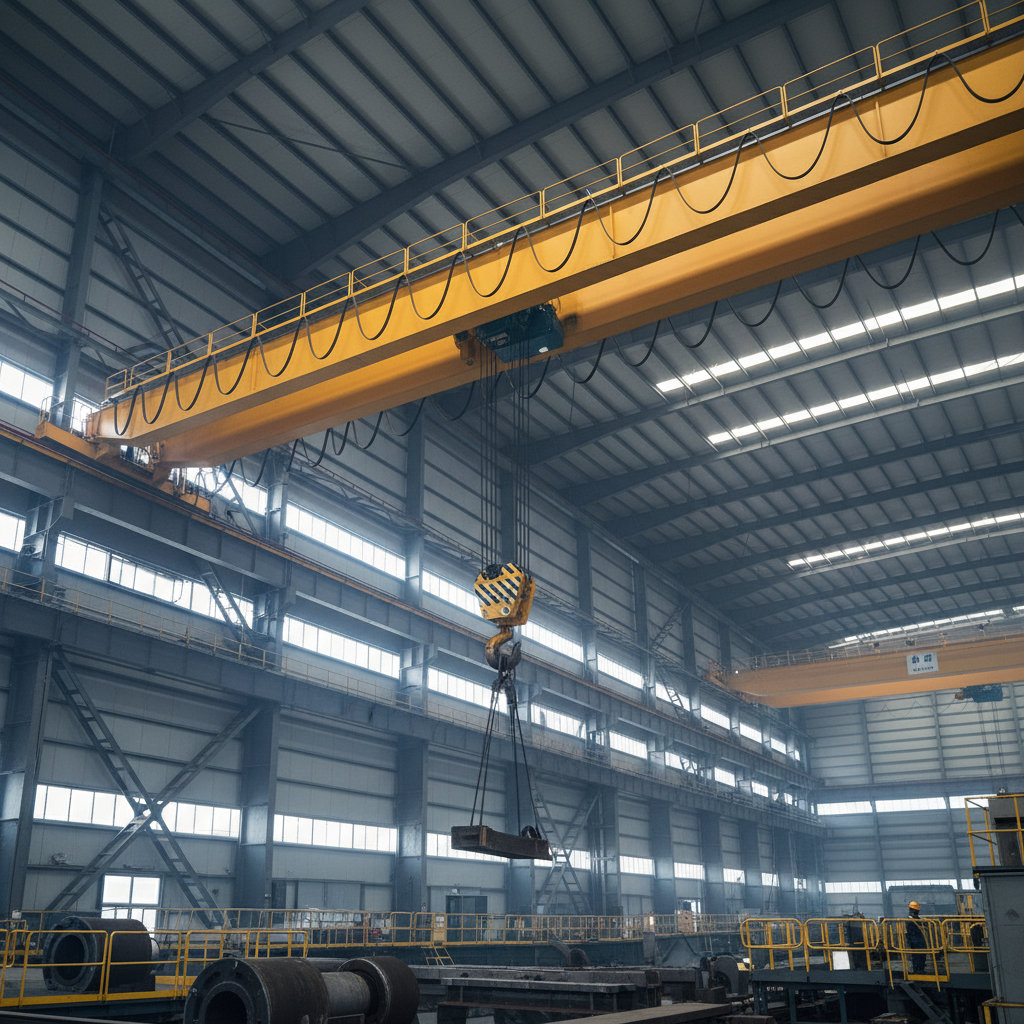
Optimizing material flow in a production environment often comes down to the efficiency of vertical and horizontal movement. A factory gantry system serves as the skeletal support for heavy lifting, allowing facilities to move cumbersome machinery or raw materials without the permanent footprint of a ceiling-mounted crane.
For many specialized equipment manufacturers, the challenge is not just the weight of the load, but the flexibility of the lifting point. As production lines evolve, the ability to adjust the height and span of hoisting equipment becomes a critical factor in reducing operational downtime and improving worker safety.
Understanding the technical nuances between fixed and adjustable gantry systems is essential for procurement managers. This guide explores how integrating the right lifting solutions can streamline shop-floor logistics while maintaining strict adherence to safety standards in the material handling industry.

Defining the Role of Gantry Systems in Modern Manufacturing

At its core, a factory gantry is a bridge-like structure that supports a hoist or crane, moving on wheels or tracks to transport heavy loads across a designated work area. Unlike overhead bridge cranes that require substantial building modifications, gantry cranes provide a semi-portable solution that can be relocated as the factory layout changes.
In the context of light-to-medium lifting equipment manufacturing, these systems are indispensable for the assembly of specialized machinery. They bridge the gap between manual pallet stackers and heavy industrial cranes, offering a balanced approach to load capacity and maneuverability.
The primary objective is to eliminate the physical strain on operators while ensuring the precise placement of components. By utilizing a gantry system, facilities can maintain a high throughput of materials without compromising the structural integrity of the facility's ceiling or walls.
Core Technical Advantages of Adjustable Hoisting Structures
Adjustability is the defining feature of modern gantry cranes. By allowing the operator to modify the height and width of the beam, a single piece of equipment can handle a variety of load dimensions and clearance requirements, making it a versatile asset in multi-purpose workshops.
Technical stability is achieved through high-grade steel construction and precision-engineered joints. In adjustable models, the locking mechanisms are critical; they must ensure that once the desired height is reached, the structure remains rigid under maximum rated load to prevent swaying or structural failure.
Furthermore, the integration of manual or electric hoists allows these gantries to scale from light-duty tasks to more demanding industrial applications. This modularity reduces the need for multiple specialized machines, thereby optimizing the available floor space.
Critical Application Scenarios for Shop Floor Material Handling
The utility of a factory gantry extends across various industrial sectors, from automotive assembly to aerospace components. In the machinery mover and cargo trolley segment, gantries are often used to lift heavy engines or gearboxes onto transport trolleys for internal movement.
In logistics hubs, these systems facilitate the transition of goods from pallet trucks to high-density storage racking. When combined with permanent magnetic lifters, gantry cranes can move ferrous metal sheets or heavy molds with extreme precision and minimal risk of surface damage.
Another common scenario is the maintenance of heavy equipment. When a machine requires a component replacement, a portable gantry can be positioned exactly over the site, allowing the technician to lift the part vertically without the interference of fixed overhead structures.
Analyzing Operational Efficiency and Lifting Performance Metrics
Measuring the impact of a gantry system involves analyzing the reduction in "dead time"—the period spent repositioning loads or waiting for specialized lifting equipment to become available. By decentralizing lifting capabilities, factories can parallelize their assembly processes.
Performance is typically evaluated by comparing the time-to-lift and the safety margin against traditional manual methods. The following metrics illustrate the relative improvement in workflow stability and throughput when transitioning to a structured gantry approach.
factory gantry Performance Metrics
As shown in the data, the adoption of a dedicated gantry system significantly enhances load stability and reduces the probability of operational errors. This efficiency gain is particularly evident in environments where frequent, repetitive lifting of mid-range loads is required.
Strategic Procurement Considerations for Lifting Equipment
Procuring a lifting system requires a rigorous analysis of the maximum load requirements and the physical constraints of the workspace. Buyers must look beyond the initial price tag and consider the Total Cost of Ownership (TCO), which includes maintenance, certification costs, and the flexibility of the equipment.
Key evaluation factors include the quality of the steel, the precision of the height adjustment mechanism, and the durability of the casters. For instance, heavy-duty polyurethane wheels are preferred for factory floors to prevent marking while ensuring smooth movement under load.
Furthermore, verifying the manufacturer's history in the lifting machinery industry is paramount. Companies with long-standing expertise in research and development, such as those established in the mid-1980s, typically offer more reliable load-testing data and better alignment with international safety standards.
Future Trends in Modular and Automated Hoisting Technology
The trajectory of material handling is moving toward increased modularity. We are likely to see more gantry systems that integrate with IoT sensors to monitor load stress in real-time, alerting operators before a structural limit is reached.
Automation is another expected driver. While manual gantry cranes remain the standard for low-frequency lifts, the integration of semi-automated trolleys could allow for "follow-me" functionality, where the gantry moves in tandem with the operator across the factory floor.
Additionally, the use of new lightweight, high-strength alloys may reduce the dead weight of the gantry itself, increasing the net lifting capacity without increasing the overall footprint of the equipment.
Comparative Selection Guide for Different Gantry Configurations
Choosing the right configuration depends on the specific intersection of load weight, height requirements, and frequency of movement. A fixed-span gantry is ideal for dedicated workstations, whereas an adjustable model is better for versatile assembly areas.
The table below provides a technical comparison based on common industrial configurations to help procurement teams align their requirements with the appropriate equipment type.
| Configuration Type | Primary Use Case | Key Advantage | Operational Limit |
|---|---|---|---|
| Adjustable Gantry | Multi-product assembly | High Versatility | Complex Setup |
| Fixed-Span Gantry | Dedicated heavy lifting | Maximum Rigidity | Zero Flexibility |
| Portable A-Frame | Temporary workshops | Easy Deployment | Lower Load Cap |
| Motorized Gantry | High-frequency transport | Reduced Labor | Higher Power Cost |
| Light-Duty Aluminum | Electronic components | Weight Efficiency | Low Torque Limit |
| Heavy-Duty Steel | Engine/Mold handling | Structural Strength | High Self-Weight |
Ultimately, the decision should be guided by a detailed audit of the facility's lifting frequency and the physical dimensions of the heaviest loads. For those seeking a balance of performance and flexibility, the adjustable gantry remains the industry benchmark.
Frequently Asked Questions
Conclusion
The integration of a professional factory gantry system is more than just a purchase of hardware; it is a strategic decision to enhance the safety and fluidity of the production floor. By choosing the right configuration—whether it be adjustable or fixed—manufacturers can significantly reduce manual labor risks and accelerate their assembly cycles.
For organizations evaluating their current lifting capabilities or seeking to upgrade their material handling infrastructure, detailed product specifications and company expertise are key. Readers can review relevant product and company information through www.daweihoisting.com to ensure their selection aligns with industrial standards.