
Comprehensive Guide to Roller Heavy Machine Applications and Selection
Understanding Roller Heavy Machines: A Comprehensive Guide
In the world of heavy machinery, roller heavy machines play a crucial role in various industries, from construction and road building to agriculture and mining. These robust machines are essential for compacting materials, creating stable foundations, and ensuring the longevity of infrastructure projects. This article delves into the different types of roller heavy machines, their applications, key features, safety considerations, and how to choose the right machine for your specific needs. A well-informed decision can significantly impact project efficiency and overall success.
Types of Roller Heavy Machines
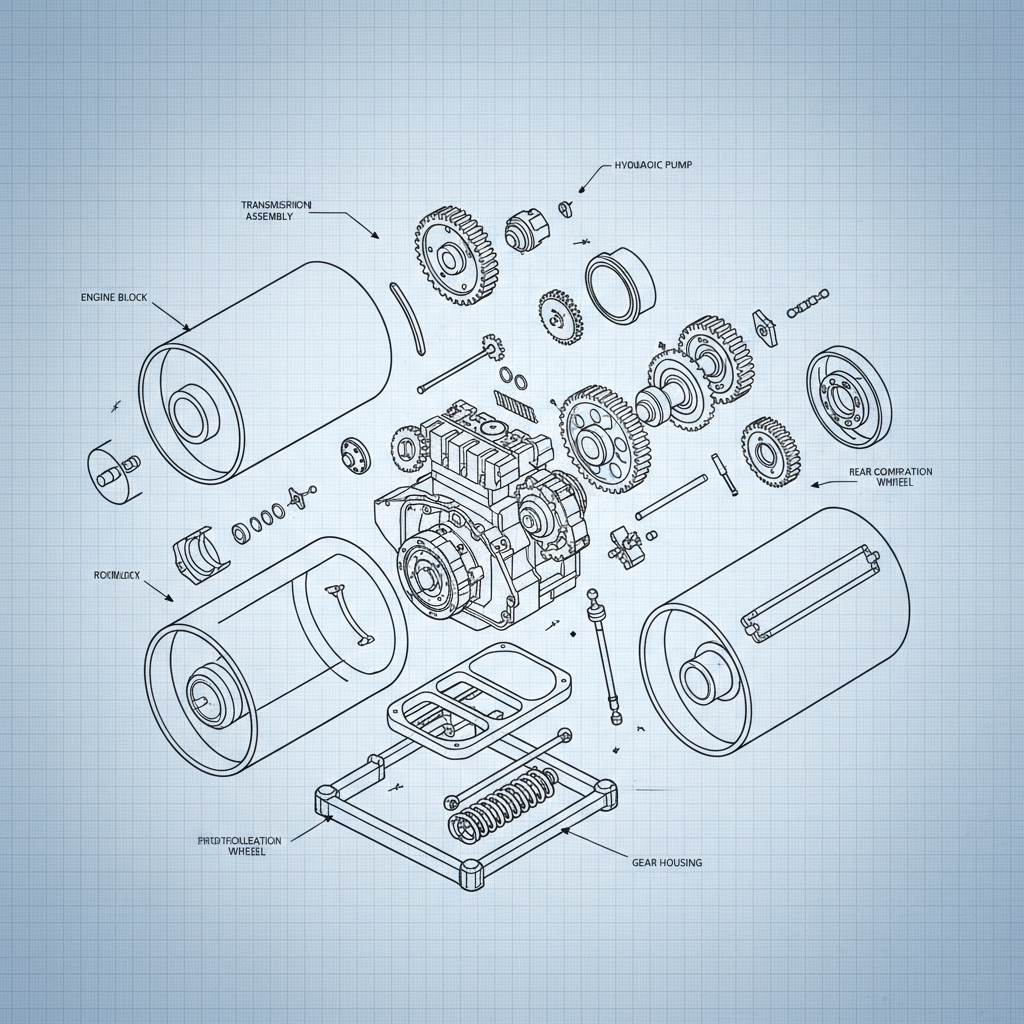
Roller heavy machines come in several variations, each designed for specific compaction tasks. The most common types include smooth drum rollers, padfoot rollers (also known as sheep foot rollers), pneumatic tire rollers, and vibratory rollers. Smooth drum rollers are ideal for compacting granular materials like gravel and sand. Padfoot rollers excel at compacting cohesive soils like clay, creating a dense and stable base. Pneumatic tire rollers are effective for a wide range of materials, including asphalt and soil, offering a kneading action that provides excellent compaction. Vibratory rollers combine vibration and static weight to achieve high compaction forces, suitable for various soil types and materials. Understanding these differences is crucial for selecting the most appropriate machine for your project.
Key Takeaway: The choice of roller type depends heavily on the material being compacted and the desired compaction level. Selecting the wrong roller can lead to ineffective compaction and potential structural issues.
Applications Across Industries
The versatility of roller heavy machines extends across numerous industries. In construction, they are vital for preparing foundations for buildings, roads, and bridges. Road building relies heavily on rollers for compacting asphalt and base materials. Agriculture utilizes rollers for leveling fields and creating stable surfaces for irrigation. Mining operations use them for compacting tailings and creating access roads. Even landfill operations require rollers for compacting waste materials. Their ability to efficiently and effectively compact diverse materials makes them indispensable in many sectors.
Common Applications:
• Road construction & maintenance
• Building foundation preparation
• Landfill compaction
• Agricultural land leveling
• Mining operations
Key Features to Consider When Choosing a Roller Heavy Machine
When selecting a roller heavy machine, several key features should be considered. Compaction force (measured in kN or tons) is crucial for achieving the desired density. Drum width affects coverage area and maneuverability. Vibration frequency and amplitude influence compaction efficiency. Operating weight impacts the machine's ability to compact various materials. Engine power and fuel efficiency are important for productivity and cost-effectiveness. Operator comfort and safety features, such as ergonomic controls and rollover protection structures (ROPS), are also essential considerations.
Safety Considerations When Operating Roller Heavy Machines
Operating roller heavy machines requires strict adherence to safety protocols. Always wear appropriate personal protective equipment (PPE), including a hard hat, safety glasses, and hearing protection. Conduct a thorough pre-operation inspection to ensure all components are functioning correctly. Be aware of your surroundings and maintain a safe distance from other personnel and obstacles. Avoid operating on steep slopes or unstable ground. Follow proper shutdown procedures and ensure the machine is parked on a level surface. Regular operator training is essential to ensure safe and efficient operation.
Choosing the Right Supplier: Dawei Hoisting Machinery
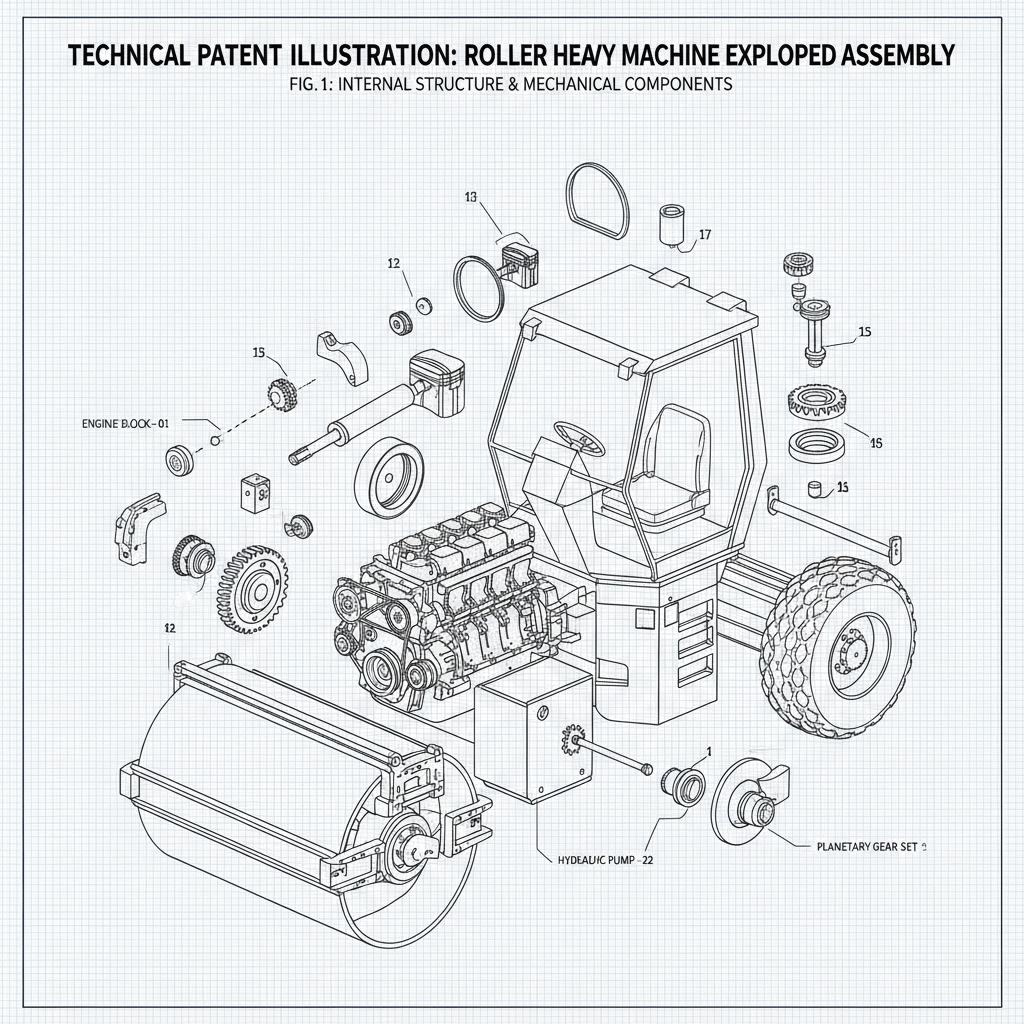
Selecting a reputable supplier is as important as choosing the right machine. Dawei Hoisting Machinery is a trusted provider of high-quality roller heavy machines, offering a comprehensive range of models to suit diverse needs. We pride ourselves on providing reliable equipment, competitive pricing, and exceptional customer support. Our team of experienced professionals can assist you in selecting the optimal machine for your specific application. We also offer comprehensive after-sales service, including parts and maintenance, to ensure the longevity of your investment.
Conclusion: Investing in Quality and Safety
Investing in a high-quality roller heavy machine from a reputable supplier like Dawei Hoisting Machinery is a crucial step towards project success. Prioritizing safety, selecting the right machine for your application, and ensuring proper maintenance will maximize efficiency, minimize downtime, and protect your investment. Contact us today to learn more about our comprehensive range of roller heavy machines and let our experts help you find the perfect solution for your needs.
Frequently Asked Questions (FAQs)
What maintenance is required for a roller heavy machine?
Regular maintenance is crucial for ensuring the longevity and optimal performance of your roller heavy machine. This includes daily checks of fluid levels (engine oil, hydraulic fluid, coolant), tire pressure (for pneumatic rollers), and visual inspection for any damage. Periodic maintenance tasks include greasing moving parts, changing filters (air, fuel, hydraulic), and inspecting the compaction drum for wear. Following the manufacturer's recommended maintenance schedule is essential. Dawei Hoisting Machinery provides comprehensive maintenance services and parts to support your equipment.
What is the typical lifespan of a roller heavy machine?
The lifespan of a roller heavy machine can vary significantly depending on usage, maintenance, and operating conditions. With proper maintenance and care, a well-built machine can operate effectively for 5,000 to 10,000 hours or more. Factors that can shorten lifespan include harsh operating environments, improper maintenance, and overloading. Choosing a durable machine from a reputable manufacturer like Dawei Hoisting Machinery can significantly extend its lifespan.
How do I choose between a smooth drum roller and a padfoot roller?
The choice between a smooth drum roller and a padfoot roller depends on the material you're compacting. Smooth drum rollers are best for granular materials like gravel, sand, and crushed stone. They create a dense, uniform surface. Padfoot rollers, with their protruding feet, are ideal for cohesive soils like clay. The feet provide kneading action, effectively compacting the soil particles. If you need to compact a variety of materials, a combination roller (with both smooth drum and padfoot sections) might be the best option.
What safety features should I look for in a roller heavy machine?
Essential safety features include a Rollover Protection Structure (ROPS) to protect the operator in case of a rollover, seatbelts, audible warning alarms, backup cameras, and clearly marked controls. Good visibility is also critical, so look for machines with large windows and mirrors. Ensure the machine has functioning brakes and lights. Dawei Hoisting Machinery prioritizes safety in the design and construction of our roller heavy machines.
-
Maximize Efficiency with a Portable Mini Gantry Crane GuideNewsApr.16,2026
-
Industrial Fixed Gantry Crane Guide for Heavy Duty LiftingNewsApr.09,2026
-
Comprehensive Guide to 1 Ton Overhead Crane Capabilities and ApplicationsNewsApr.07,2026
-
Maximize Lifting Efficiency with a Robust 1 Ton Gantry Crane SystemNewsApr.04,2026
-
Comprehensive Guide to 3 Ton Overhead Crane Systems and ApplicationsNewsMar.31,2026
-
Comprehensive Guide to Portal Crane Systems and Industrial ApplicationsNewsMar.28,2026
-
Gantry Crane Price Guide 2024 Understanding Costs and OptionsNewsMar.26,2026