0%

Table of Contents

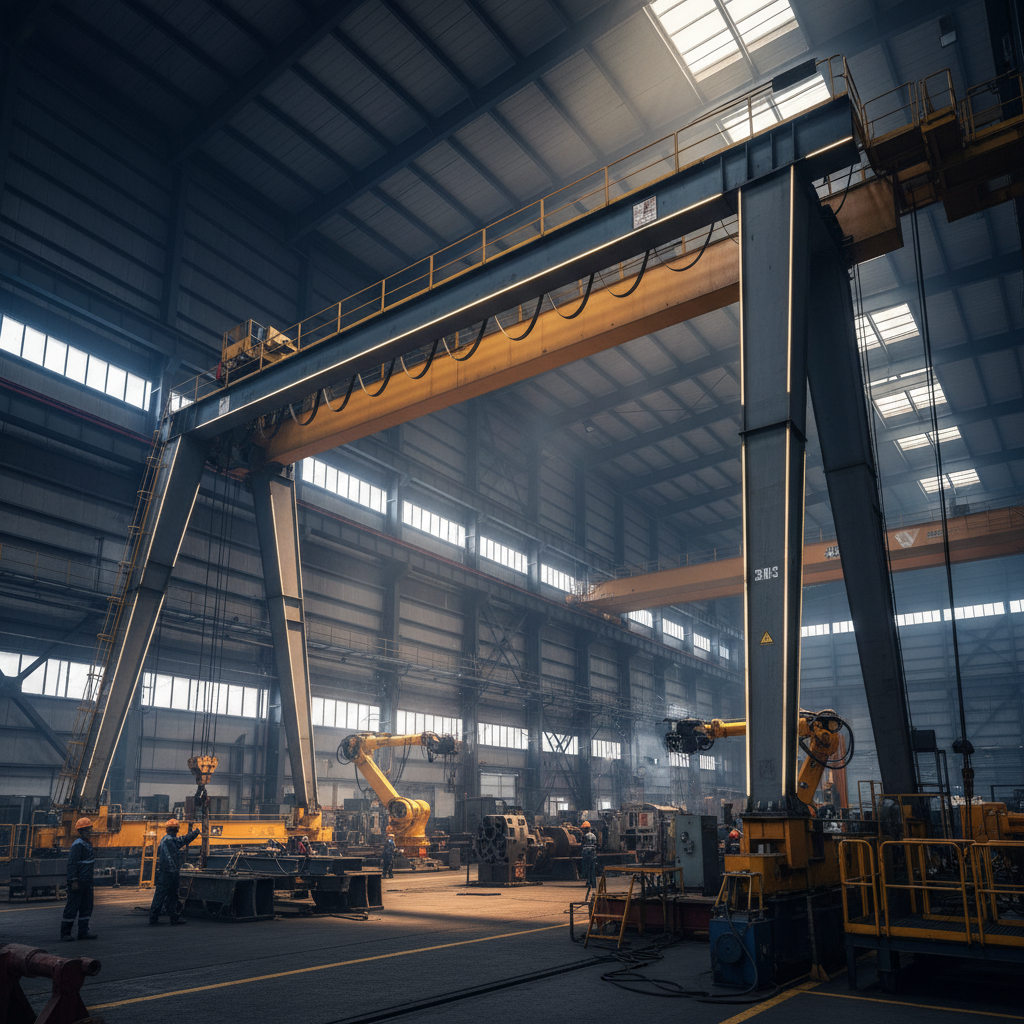
You know, these adjustable gantry cranes... honestly, they’re getting a lot more attention lately. Seems everyone’s trying to squeeze more out of less space, and these things just fit. It’s not like the old days where you needed a whole warehouse for every piece of equipment. Folks are realizing that flexibility is king, especially with supply chains being… well, you know. It’s not just about big factories anymore either. Small workshops, even outdoor setups – I've seen them everywhere. But a lot of companies underestimate how crucial the details are.

Have you noticed how many cranes still use those cheap, stamped steel wheels? They look okay in the catalog, but after a few months on a rough concrete floor, they’re basically useless. It's a classic example of penny-wise, pound-foolish. And the paint! Oh, the paint. They spray on this thin coat that flakes off the second you breathe on it. I encountered this at a factory in Ningbo last time, the whole thing was rusting before it even left the yard. It’s enough to make you want to pull your hair out.

But when they’re done right... they’re a lifesaver. We’re talking high-grade steel for the beams – you can feel the weight when you touch it, it’s solid. The welding is clean, no spatter, no porosity. And the finish? A thick, powder-coated layer that can actually withstand a beating. I always check the smell of the rubber on the wheels too. A strong chemical odor usually means it'll degrade quickly. Good rubber smells… well, rubbery. Strangely enough.
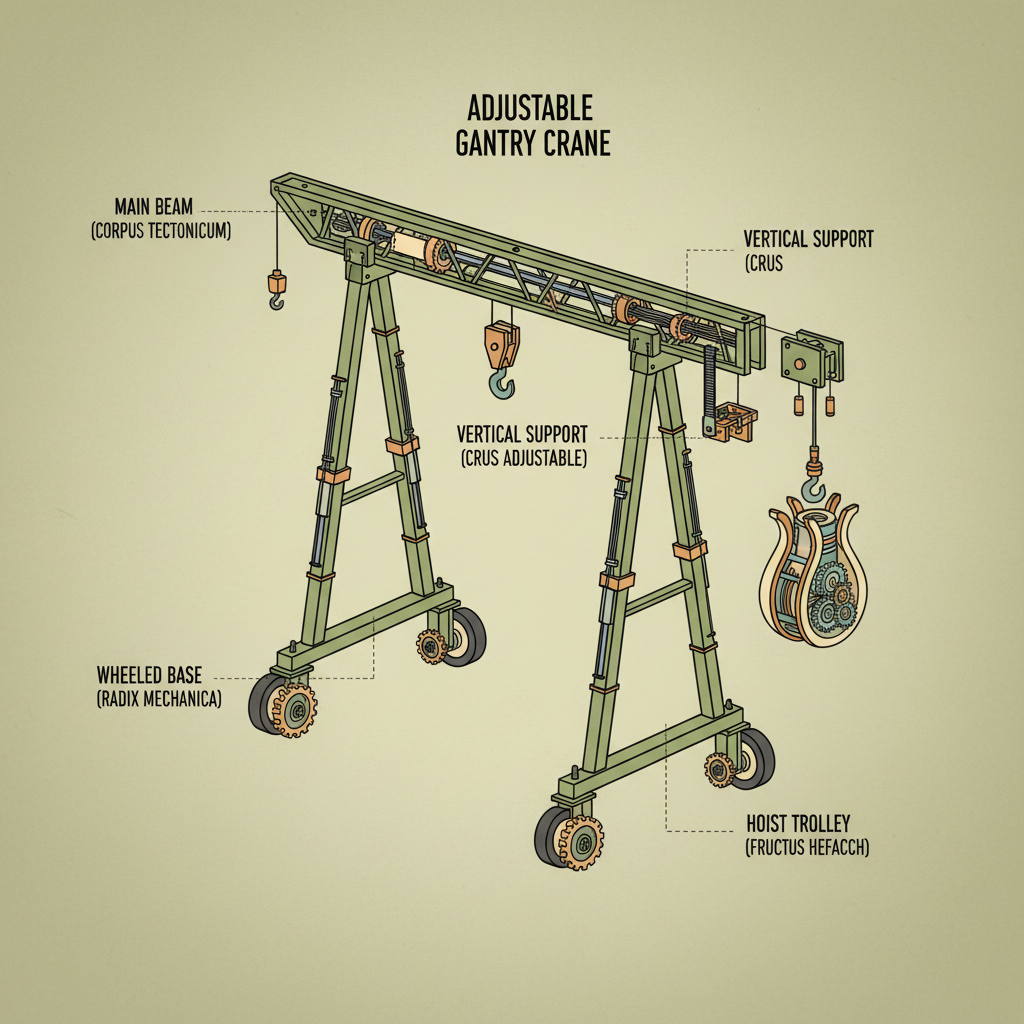
adjustable gantry crane

Key Factors of Adjustable Gantry Cranes

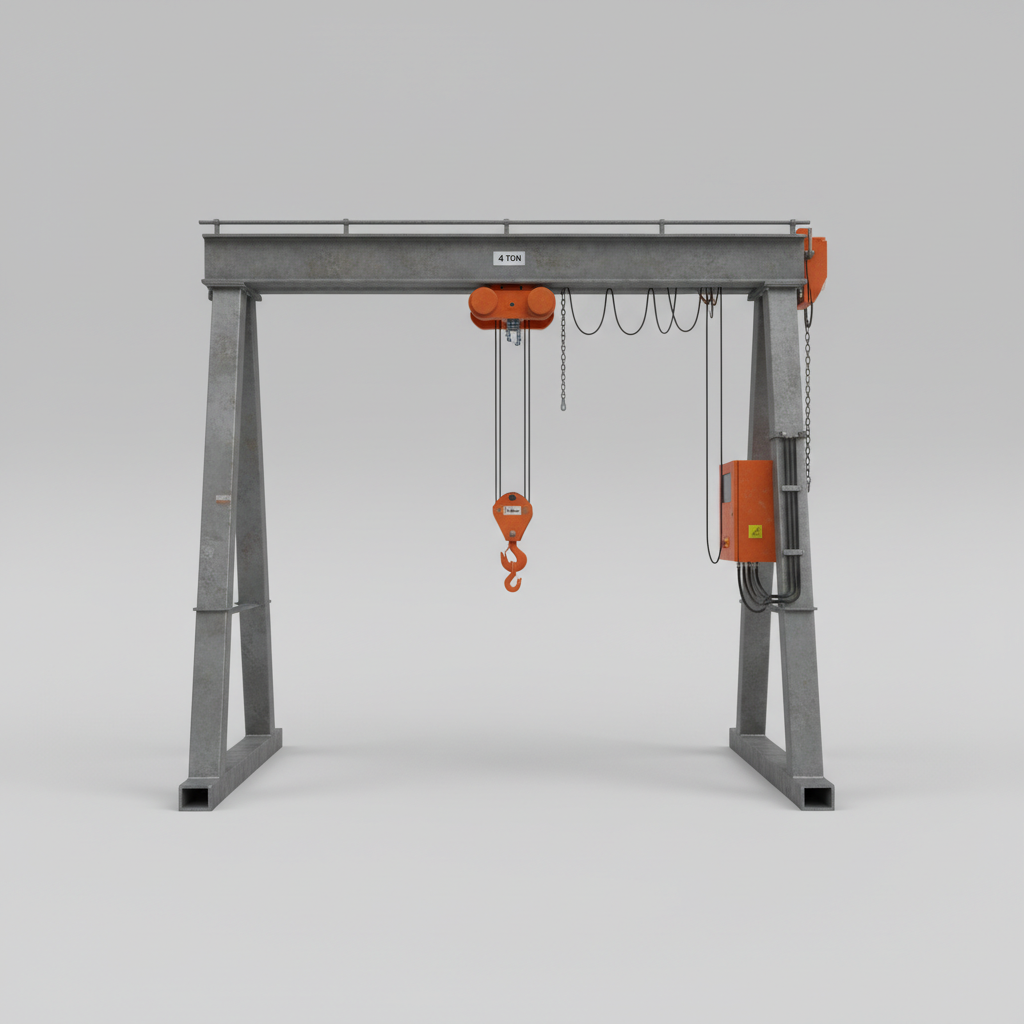
adjustable gantry crane

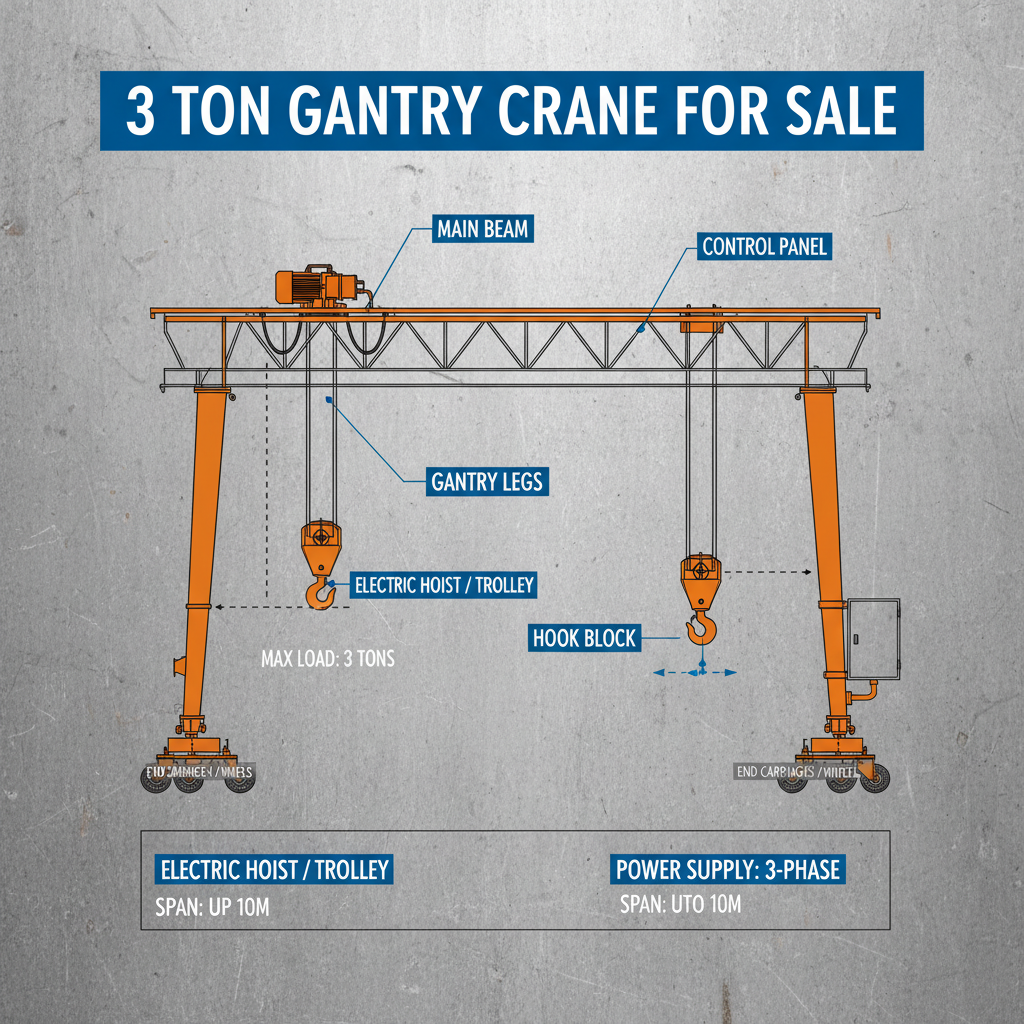
The biggest thing with these cranes, and what people often miss, is the adjustment mechanism. It's not just about being able to change the height and span; it's about doing it safely and reliably. You need heavy-duty locking pins, properly engineered swivel casters, and a solid base. Anything less, and you’re asking for trouble. I've seen too many near misses because someone skimped on these parts.

Then there’s the load capacity. Folks tend to overestimate what their crane can handle. Always, always check the specifications and add a safety margin. Seriously, a little extra caution can save a lot of heartache.

Global Applications and Use Cases

These aren't just for factories, you know? I've seen them used in shipyards for maintenance, construction sites for lifting materials, even at outdoor events for rigging lights and sound equipment. They’re especially popular in places with limited space or where mobility is key. I was talking to a guy in Singapore last year who was using one to move equipment around a container port – he said it saved him a ton of time and labor. It’s really taken off in Southeast Asia, probably because of the number of smaller workshops and the need for flexible lifting solutions.

There's also a growing demand in the renewable energy sector. Wind turbine maintenance requires a lot of heavy lifting, and these cranes are ideal for accessing hard-to-reach areas. And, of course, the post-disaster relief work. Being able to quickly set up a lifting solution is crucial when time is of the essence.

Frankly, the versatility is what makes them so appealing. It’s not a one-trick pony.

Durability and Materials

Look, materials matter. I’m a firm believer in using high-strength alloy steel for the main beams. It’s more expensive upfront, but it lasts longer and can handle a heavier load. You don't want to be replacing a crane every couple of years because it’s built with substandard materials. That's a false economy, trust me.

And the casters… don’t even get me started. Polyurethane wheels are a good choice for smooth surfaces, but you need heavy-duty rubber tires for rough terrain. And make sure they’re properly sealed to prevent water and debris from getting inside. I once saw a crane completely immobilized because the casters were filled with mud. It was a mess.

Anyway, I think a good quality crane should withstand years of hard work. It's an investment, not a disposable item.

Testing and Quality Control

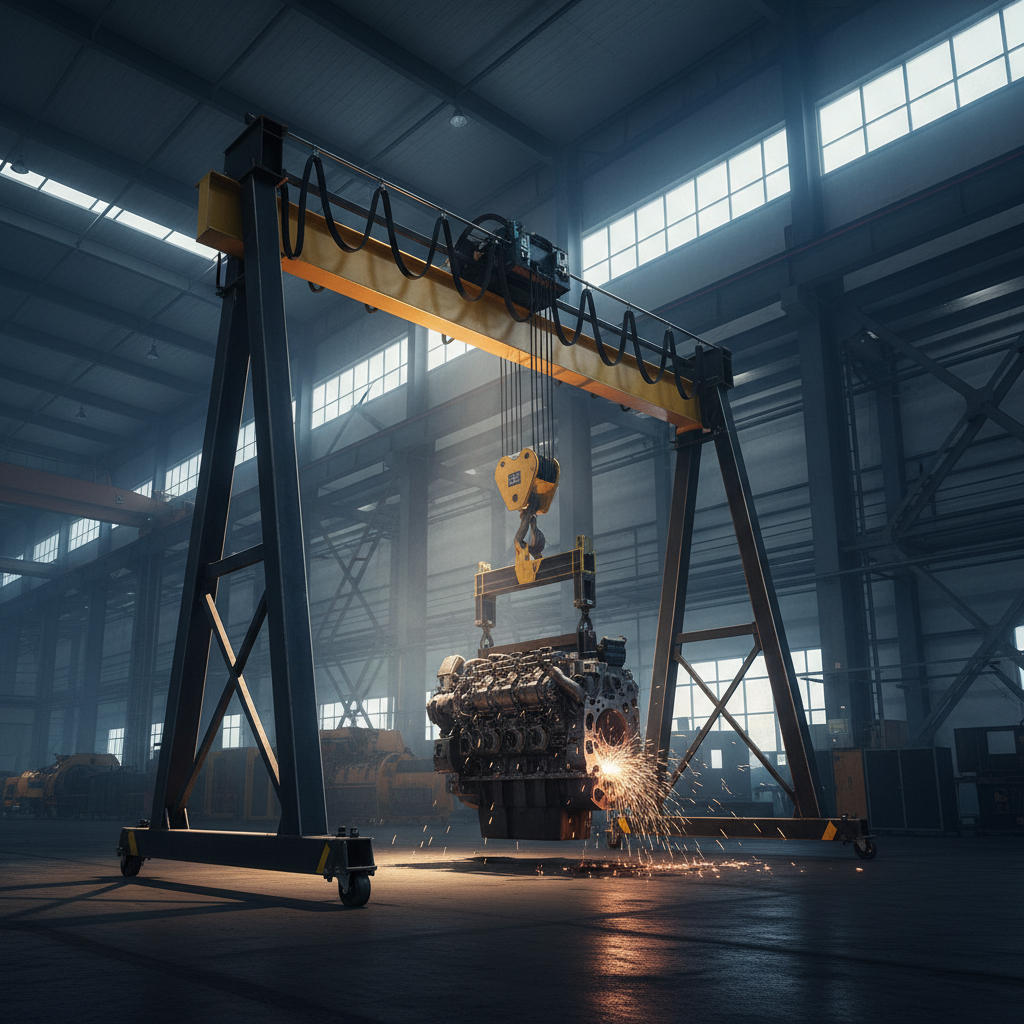
Forget the fancy lab tests. The real test is putting the crane through its paces in a real-world environment. I always recommend dynamic load testing – actually lifting a load that exceeds the crane’s rated capacity to see how it performs. You want to see if the beams flex, if the welds hold, and if the locking pins secure properly.

And don't just test it once. Test it repeatedly. Simulate the kind of stresses it will encounter on the job site – uneven surfaces, sudden stops, and varying load conditions. That’s how you identify potential weaknesses before they become major problems.

Adjustable Gantry Crane Testing Parameter Ratings


Real-World User Applications

I was talking to a metal fabricator last month, and he was using an adjustable gantry crane to move large steel plates around his shop. He said it saved him a ton of time and reduced the risk of damage to the materials. He used to rely on a forklift, but it was too cumbersome and took up too much space.

It's these kinds of practical applications that really make a difference. It’s not about having the fanciest, most technologically advanced crane; it’s about having a tool that gets the job done efficiently and safely.

Advantages and Customization Options

The biggest advantage, as I said before, is the flexibility. You can adjust the height and span to fit your specific needs. But there’s also the portability. These cranes are relatively easy to disassemble and move around, which is a huge plus if you’re working on multiple projects or in a temporary location.

And you can customize them to a certain extent. I once had a customer in Shenzhen who insisted on changing the interface to for the control pendant. It wasn’t standard, but he was adamant about it. Later... forget it, I won't mention it. Anyway, you can usually specify the height, span, load capacity, and caster type. Sometimes, you can even get custom paint colors.

Challenges and Solutions

One common issue is stability. If the base isn’t level or the load is unevenly distributed, the crane can become unstable and even tip over. To mitigate this, always use a leveling kit and distribute the load evenly.

Another challenge is maintenance. Like any piece of equipment, adjustable gantry cranes require regular inspection and maintenance to ensure they’re operating safely and efficiently. Lubricate the moving parts, check the welds for cracks, and replace any worn or damaged components.

Honestly, the biggest challenge is finding skilled operators. People tend to underestimate the importance of proper training.

Key Factors Influencing Adjustable Gantry Crane Performance

Load Capacity (tons) Span Length (meters) Material Grade Maintenance Frequency (months)
1-5 5-10 Q235B 6
5-10 10-15 Q345B 3
10-20 15-20 S355J2 6
20-30 20-25 S355J2 3
30-50 25-30 S460N 6
50+ 30+ S460N 2

FAQS

What is the maximum lifting height achievable with an adjustable gantry crane?

The maximum lifting height varies greatly depending on the specific model and customization options. However, most adjustable gantry cranes can achieve lifting heights ranging from 3 to 10 meters. Some specialized models can even reach heights of 15 meters or more, depending on the structural design and safety considerations. It’s crucial to choose a crane with sufficient lifting height for your application and ensure it meets all relevant safety standards.

How often should I inspect my adjustable gantry crane?

Regular inspection is vital for maintaining the safety and reliability of your adjustable gantry crane. At a minimum, you should conduct a visual inspection before each use, checking for any signs of damage, wear, or loose connections. A more thorough inspection, including a functional test of all mechanisms, should be performed monthly by a qualified person. Detailed inspection records should be maintained for reference and compliance purposes.

What are the key safety precautions when operating an adjustable gantry crane?

Always ensure the crane is placed on a level and stable surface before operation. Never exceed the rated load capacity of the crane. Use proper lifting slings and attachments, and inspect them for damage before each use. Ensure the area around the crane is clear of personnel and obstructions. Never leave a load suspended unattended. And, most importantly, always follow the manufacturer's operating instructions.

Can adjustable gantry cranes be used outdoors?

Yes, adjustable gantry cranes can be used outdoors, but certain precautions must be taken. Choose a crane with a corrosion-resistant finish to protect it from the elements. Secure the crane to the ground to prevent it from tipping over in windy conditions. Avoid operating the crane in severe weather, such as heavy rain, snow, or strong winds. And always ensure the ground is firm and stable to support the weight of the crane and the load.

What customization options are available for adjustable gantry cranes?

A wide range of customization options are available. These include adjustments to the height, span, and load capacity, as well as different caster types, control systems, and finishes. You can also specify custom paint colors, add accessories such as anti-collision devices, and integrate the crane with automated systems. Essentially, you can tailor the crane to your specific needs.

How do I choose the right adjustable gantry crane for my application?

Consider the weight and dimensions of the objects you need to lift, the required lifting height and span, and the environment where the crane will be used. Assess the available space and the type of flooring. Factor in the frequency of use and the level of operator training. It's always best to consult with a qualified crane supplier to discuss your specific requirements and get expert advice.

Conclusion

So, after all that, what does it come down to? Adjustable gantry cranes are a versatile and valuable tool for a wide range of applications. They offer flexibility, portability, and customization options that make them a good choice for businesses of all sizes. But it's not just about the specs and features; it's about the quality of the materials, the attention to detail, and the overall design.

Ultimately, whether this thing works or not, the worker will know the moment he tightens the screw. If it feels solid, if it operates smoothly, and if it gets the job done safely, then it’s a good crane. And if you're looking for a reliable adjustable gantry crane, visit our website at daweihoisting.com.

Robert Miller

Robert Miller

Robert Miller is a seasoned Mechanical Engineer with Dawei Hoisting, specializing in the design and testing of our permanent magnet lifters. He joined the company in 2018, bringing with him over 15 years of experience in materials science and lifting solutions. Robert is instrumental in ensuring our products meet stringent
Previous adjustable gantry crane