
Comprehensive Guide to Telescoping Gantry Crane Systems and Applications
Understanding Telescoping Gantry Cranes: A Comprehensive Guide
Telescoping gantry cranes are versatile lifting solutions increasingly popular in various industries, from shipping yards to manufacturing facilities. Their ability to adapt to changing lifting needs and maximize space efficiency makes them a vital asset. This article will explore the features, benefits, applications, and key considerations when selecting a telescoping gantry crane, providing a comprehensive overview for businesses looking to improve their lifting operations. Choosing the right crane can significantly enhance productivity and safety.
What is a Telescoping Gantry Crane?
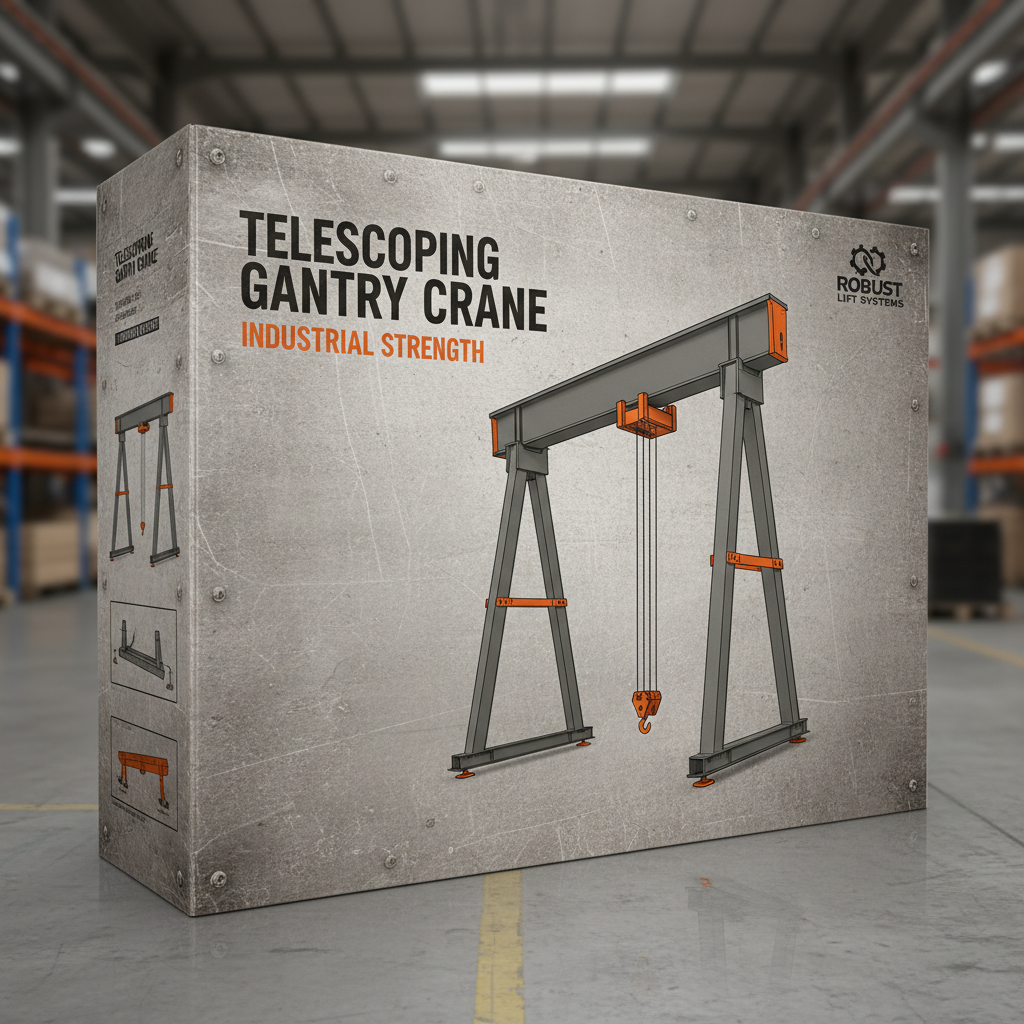
A telescoping gantry crane is a type of overhead crane characterized by its adjustable height and span. Unlike traditional gantry cranes with fixed dimensions, these cranes feature telescoping beams that can extend and retract, allowing for flexibility in lifting height and reach. This adaptability is crucial for handling varying load sizes and navigating constrained spaces. They are typically used for outdoor applications, such as loading and unloading shipping containers, construction sites, and precast concrete yards, but can also be implemented in indoor settings where versatility is paramount. Dawei Hoisting specializes in providing customized telescoping gantry crane solutions.
Key Features: Adjustable height and span, robust steel construction, ease of mobility, and suitability for both indoor and outdoor use.
Benefits of Using a Telescoping Gantry Crane
Investing in a telescoping gantry crane offers numerous benefits. Firstly, their adjustable nature allows for handling a wider range of loads without requiring multiple cranes. This reduces capital expenditure and simplifies logistics. Secondly, they maximize space utilization by adapting to available headroom and span requirements. Thirdly, they enhance safety by providing precise load control and reducing manual handling risks. Finally, they contribute to increased efficiency by streamlining lifting operations and minimizing downtime. These advantages make them a cost-effective and practical solution for businesses of all sizes.
Key Advantages:
• Increased Versatility
• Maximized Space Utilization
• Enhanced Safety
• Improved Efficiency
Telescoping Gantry Crane vs. Traditional Gantry Crane: A Detailed Comparison
Choosing between a telescoping gantry crane and a traditional gantry crane depends on specific operational needs. Traditional gantry cranes offer a fixed span and lift height, making them suitable for repetitive tasks with consistent load requirements. However, they lack the adaptability of telescoping models. Telescoping gantry cranes, while typically more expensive upfront, offer significant long-term savings through their versatility and ability to handle a wider range of applications. Dawei Hoisting provides expert guidance to help you select the most appropriate crane for your needs.
Common Applications of Telescoping Gantry Cranes
These cranes find widespread use across numerous industries. Shipping yards utilize them for efficient container loading and unloading. Construction sites employ them for lifting and positioning heavy materials. Precast concrete manufacturers use them for handling large concrete components. Manufacturing facilities benefit from their versatility in moving and assembling products. They’re also valuable in situations requiring temporary lifting solutions, such as maintenance and repair projects. Dawei Hoisting caters to a diverse range of application needs.
Key Specifications to Consider When Purchasing
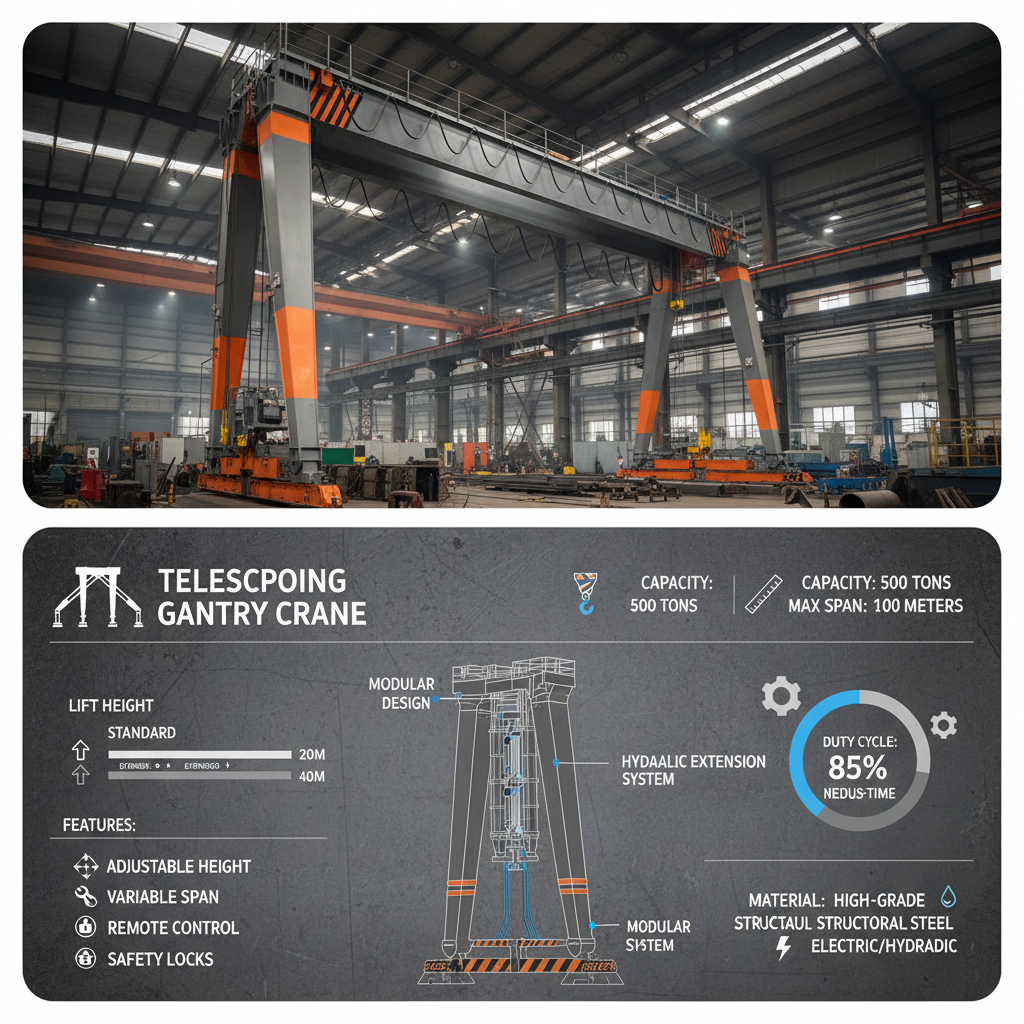
When selecting a telescoping gantry crane, several key specifications should be considered. These include the lifting capacity (the maximum weight the crane can lift), the span (the width between the legs), the lift height (the maximum height the crane can reach), and the travel speed. Also important are the power source (electric, diesel, or pneumatic) and any specific safety features required for your application. Properly assessing these factors ensures you choose a crane that meets your operational requirements and safety standards.
Conclusion: Maximizing Efficiency with Telescoping Gantry Cranes
The telescoping gantry crane represents a significant advancement in lifting technology. Its adaptability, efficiency, and safety features make it an ideal solution for a wide range of industries and applications. By carefully considering your specific needs and partnering with a reputable supplier like Dawei Hoisting, you can unlock the full potential of this powerful lifting solution.
Frequently Asked Questions (FAQs)
What safety features are typically included with a telescoping gantry crane?
Telescoping gantry cranes are equipped with a range of safety features, including overload protection, emergency stop buttons, limit switches to prevent over-travel, and audible warning systems. Many models also incorporate anti-collision systems and variable frequency drives (VFDs) for smooth and controlled operation. Regular inspections and adherence to safety protocols are crucial for ensuring safe operation. Dawei Hoisting prioritizes safety in all of its crane designs.
What maintenance is required for a telescoping gantry crane?
Regular maintenance is essential for ensuring the longevity and safe operation of a telescoping gantry crane. This includes lubricating moving parts, inspecting cables and chains for wear and tear, checking the brakes, and verifying the functionality of all safety devices. It's recommended to establish a routine maintenance schedule and engage qualified technicians for inspections and repairs. Proper maintenance prevents breakdowns and minimizes downtime.
Can a telescoping gantry crane be used outdoors?
Yes, telescoping gantry cranes are commonly used outdoors. However, it's important to select a model specifically designed for outdoor use, with features such as corrosion-resistant coatings and weather-proof components. Consideration should also be given to wind load and ground conditions. Proper anchoring and stabilization are crucial for safe operation in outdoor environments.
What is the typical lead time for a custom-built telescoping gantry crane?
The lead time for a custom-built telescoping gantry crane can vary depending on the complexity of the design, the availability of materials, and the manufacturer’s current workload. Typically, lead times range from 8 to 16 weeks. Dawei Hoisting provides accurate lead time estimates and works closely with clients to ensure timely delivery.
-
Maximize Efficiency with a Portable Mini Gantry Crane GuideNewsApr.16,2026
-
Industrial Fixed Gantry Crane Guide for Heavy Duty LiftingNewsApr.09,2026
-
Comprehensive Guide to 1 Ton Overhead Crane Capabilities and ApplicationsNewsApr.07,2026
-
Maximize Lifting Efficiency with a Robust 1 Ton Gantry Crane SystemNewsApr.04,2026
-
Comprehensive Guide to 3 Ton Overhead Crane Systems and ApplicationsNewsMar.31,2026
-
Comprehensive Guide to Portal Crane Systems and Industrial ApplicationsNewsMar.28,2026
-
Gantry Crane Price Guide 2024 Understanding Costs and OptionsNewsMar.26,2026