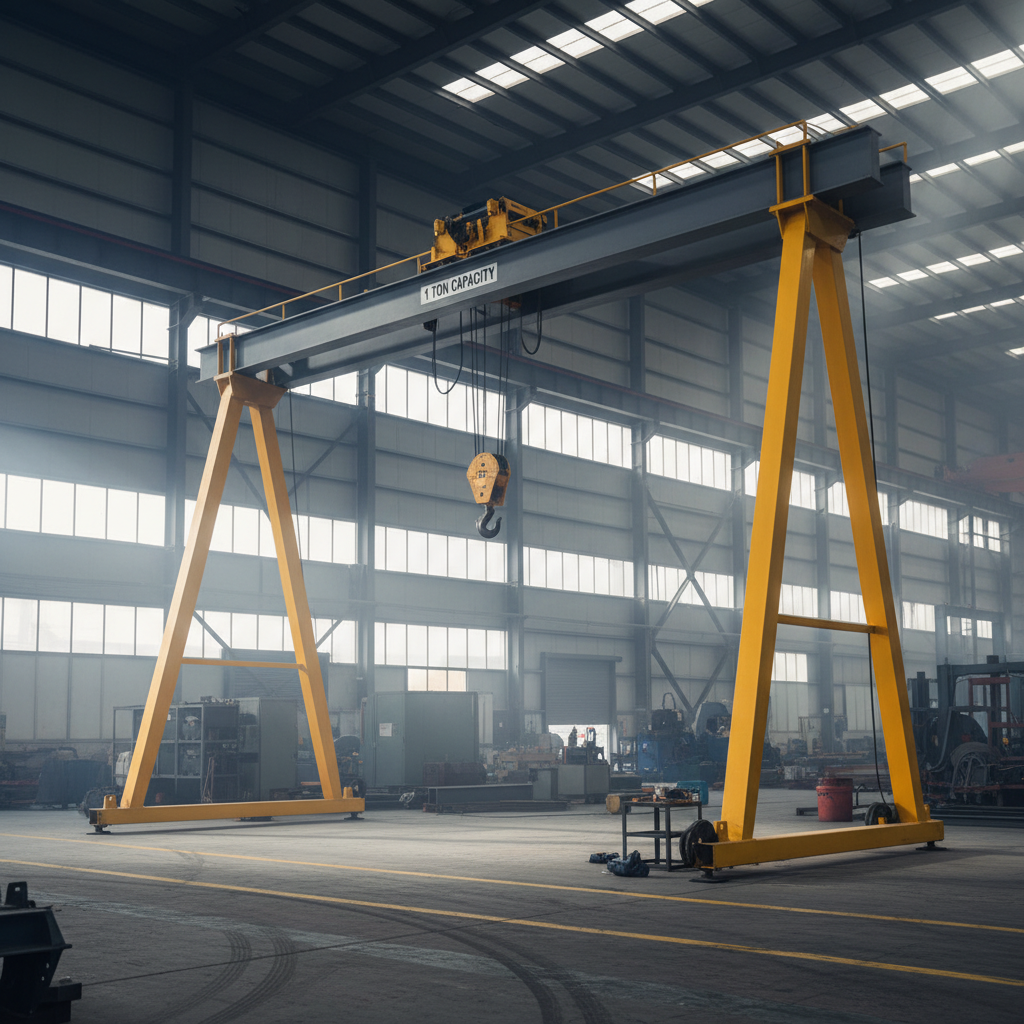
In the fast-paced environment of modern material handling, the 1 ton telescoping gantry crane has emerged as a pivotal tool for workshops requiring both strength and spatial flexibility. Unlike fixed lifting systems, these cranes offer the unique ability to adjust their span, allowing operators to adapt to various load sizes and room constraints without needing a permanent infrastructure overhaul.
The global shift towards "lean manufacturing" has placed a premium on equipment that minimizes downtime and maximizes floor space. By implementing a 1 ton telescoping gantry crane, businesses can effectively bridge the gap between heavy-duty lifting and the agility required for rapid prototyping or frequent layout changes in small to medium-sized enterprises.
Understanding the technical nuances and operational advantages of this equipment is essential for facility managers aiming to optimize workflow safety and efficiency. From reducing manual labor risks to enhancing the precision of component placement, the adoption of telescoping lifting solutions represents a strategic investment in industrial productivity and worker ergonomics.
Global Industrial Relevance of the 1 Ton Telescoping Gantry Crane
On a global scale, the demand for versatile lifting equipment has spiked as ISO standards for occupational health and safety become more stringent. The 1 ton telescoping gantry crane addresses a critical pain point in the manufacturing sector: the need for a mid-range lifting capacity that does not sacrifice mobility. In regions with rapidly growing industrial hubs, such as Southeast Asia and Eastern Europe, these cranes are replacing cumbersome fixed-hoist systems.
Statistically, facilities utilizing adjustable lifting solutions report a significant decrease in workplace musculoskeletal injuries. By providing a stable, adjustable platform for moving heavy machinery parts, the 1 ton telescoping gantry crane ensures that operators can maintain ergonomic postures, thereby reducing long-term health costs and increasing overall plant uptime.
Defining the 1 Ton Telescoping Gantry Crane and Its Purpose
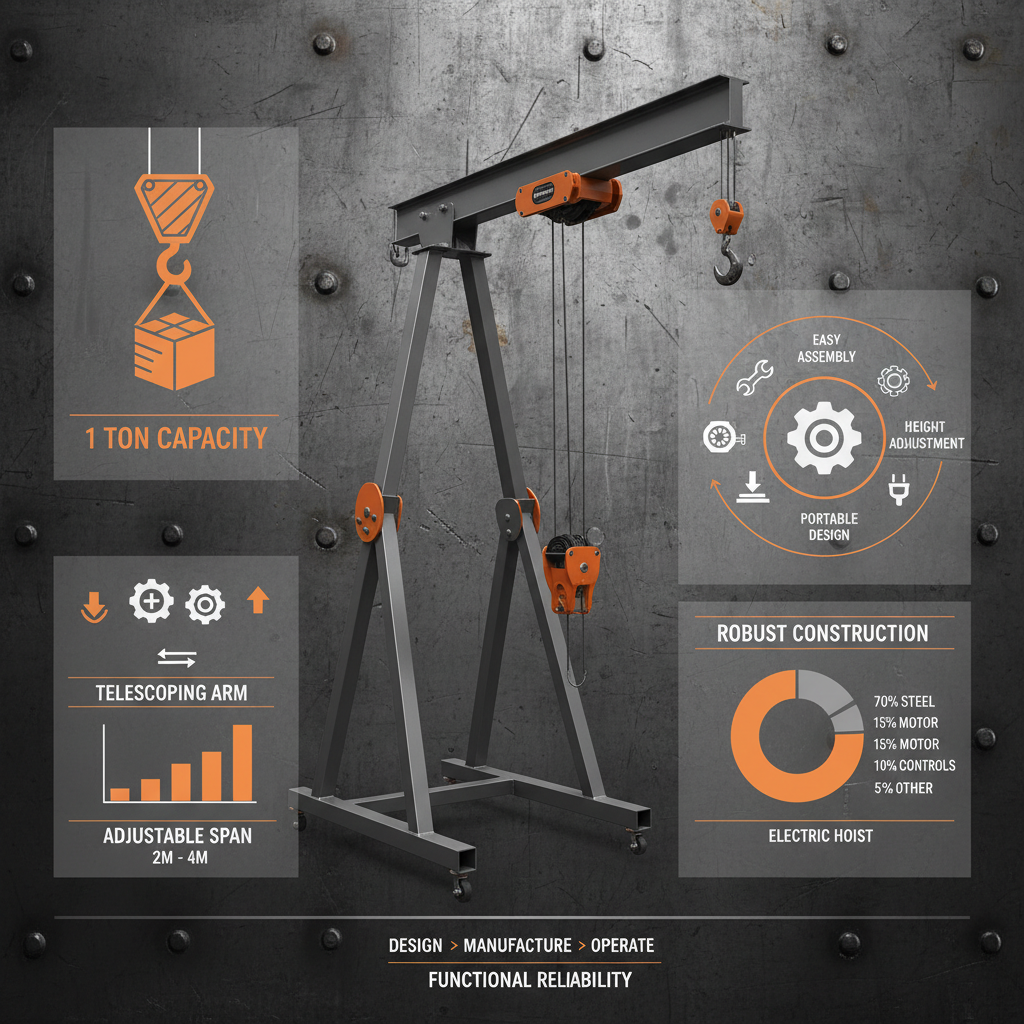
At its core, a 1 ton telescoping gantry crane is a portable, free-standing hoist system characterized by a beam that can be extended or retracted to change the width of the lifting area. Unlike a standard gantry crane, the "telescoping" feature allows it to slide into narrower aisles or expand to cover larger work-pieces, making it an indispensable tool for dynamic shop floor environments.
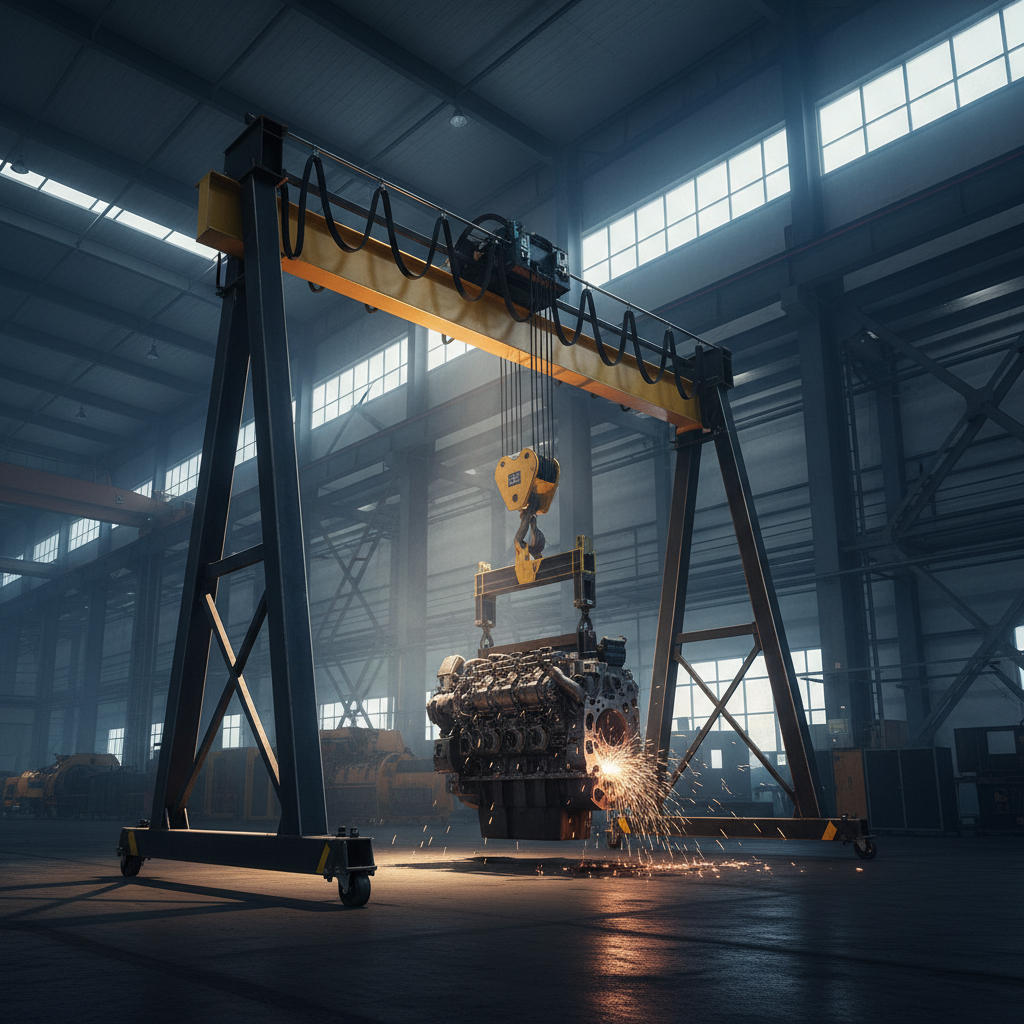
This equipment serves as a vital link in the supply chain of specialized machinery manufacturing. Whether it is being used to position a motor in a chassis or to lift a heavy mold into a press, the 1-ton capacity is the "sweet spot" for many light-to-medium industrial tasks. It combines the robustness of a steel structure with the flexibility of a modular design.
Beyond simple lifting, the purpose of such a crane is to empower small teams to perform complex assembly tasks that would otherwise require a full-sized overhead crane or a large team of laborers. This democratization of lifting power allows for more agile production cycles and reduces the reliance on expensive, permanent installation costs.
Core Components and Engineering Factors
The structural integrity of a 1 ton telescoping gantry crane relies on high-grade alloy steel and precision-engineered sliding mechanisms. The main beam is designed as a nested system, where a smaller beam slides within a larger one, secured by heavy-duty locking pins to ensure zero slippage during operation.
Durability is further enhanced through industrial-grade powder coating, which protects the 1 ton telescoping gantry crane from corrosion in humid or chemically active environments. The integration of high-quality polyurethane casters allows for smooth movement across concrete floors while supporting the full 1,000kg load without deformation.
Scalability is another core factor; the ability to quickly adjust the span means a single unit can serve multiple roles within a facility. When paired with an electric hoist or a manual chain block, the 1 ton telescoping gantry crane becomes a highly customizable lifting station that evolves with the project's needs.
Practical Applications Across Diverse Sectors
The versatility of the 1 ton telescoping gantry crane makes it a favorite in automotive repair shops and aircraft maintenance hangars. In these settings, the crane must navigate around existing equipment and move under vehicle frames, where the ability to shrink the beam width is critical for access and safety.
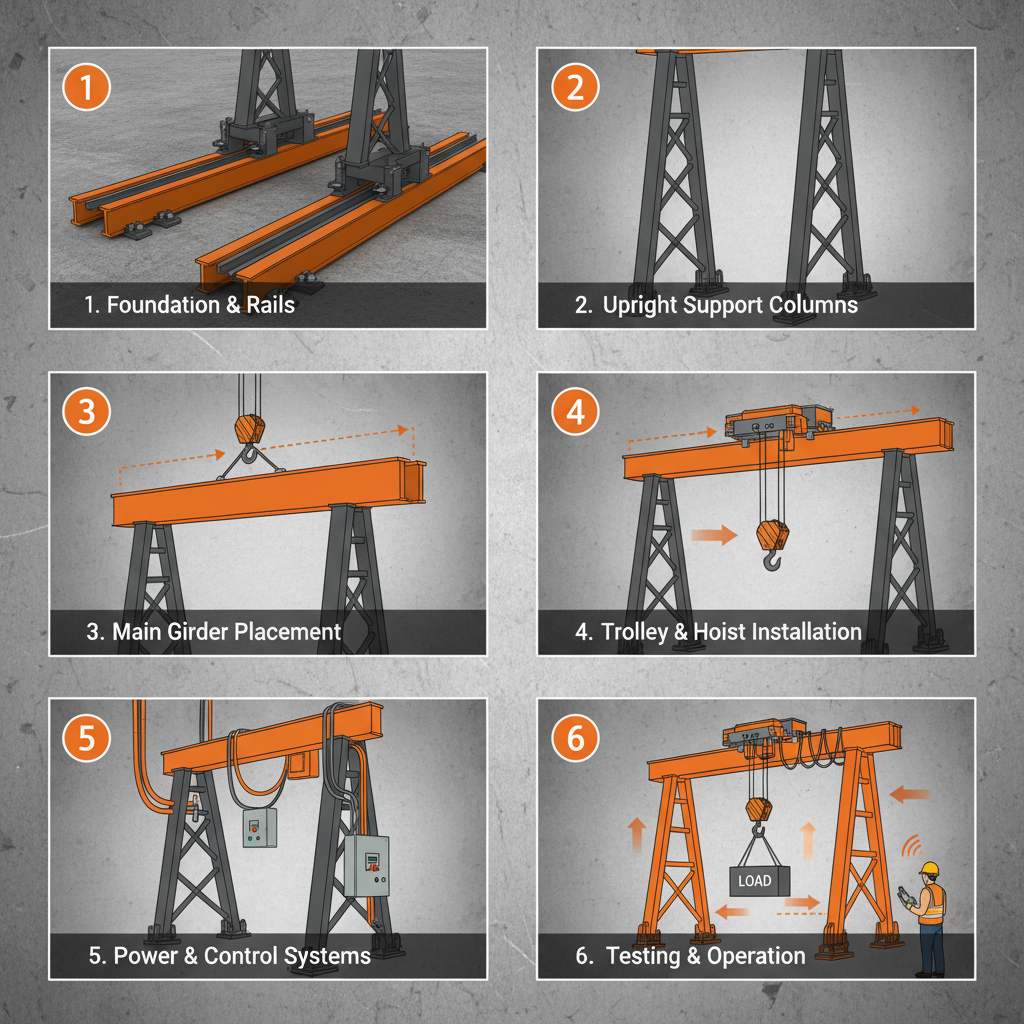
Furthermore, in remote industrial zones or temporary construction sites, these cranes provide a rapid-deployment solution for lifting heavy components without the need for foundation pouring. For instance, in the installation of modular power units or water treatment systems, the telescoping gantry provides the necessary precision for alignment.
Efficiency Ratings of Lifting Methods for 1 Ton Loads
Long-Term Value and Operational Advantages
The primary value of investing in a 1 ton telescoping gantry crane lies in its ability to reduce operational overhead. By eliminating the need for specialized installation crews and expensive building modifications, companies can allocate their capital toward core production goals rather than infrastructure.
From a psychological perspective, providing employees with a reliable and easy-to-use 1 ton telescoping gantry crane fosters a culture of safety and professional dignity. Workers feel more confident in their ability to handle heavy loads without risk, which directly translates to higher morale and lower turnover in physically demanding roles.
Future Innovations in Telescoping Lift Technology
As we move toward Industry 4.0, the 1 ton telescoping gantry crane is evolving to include smart sensors and automated controls. Future iterations are expected to incorporate load-sensing technology that alerts the operator via a digital display if the weight exceeds the safe working load (SWL), significantly reducing the risk of structural failure.
Materials science is also playing a role, with the introduction of ultra-high-strength lightweight alloys and carbon-fiber composites. These materials will allow the 1 ton telescoping gantry crane to become even more portable and easier to move, without compromising the rigid stability required for heavy lifting.
Integration with electric propulsion for the casters is another trend on the horizon. Imagine a motorized 1 ton telescoping gantry crane that can be steered via a remote control, allowing the operator to guide the load from a safe distance, further enhancing safety in hazardous environments.
Overcoming Common Implementation Challenges
One common challenge when deploying a 1 ton telescoping gantry crane is ensuring the floor surface can support the point-load pressure created by the casters. To solve this, experts recommend using load-spreading pads or upgrading to higher-grade industrial epoxy flooring to prevent cracking or indentation over time.
Another limitation is the potential for "beam deflection" when the crane is extended to its maximum span. This is naturally occurring in any beam system, but it can be mitigated by selecting a crane with a higher safety factor and training operators to lift loads closer to the support legs whenever possible.
Finally, maintenance of the telescoping slide can be overlooked. To maintain a smooth operation, regular lubrication of the inner beam and inspection of the locking pins are essential. Establishing a simple monthly checklist ensures that the 1 ton telescoping gantry crane remains a reliable asset for years to come.
Comparative Analysis of 1 Ton Telescoping Gantry Crane Specifications
|
Configuration Model
|
Span Flexibility
|
Assembly Speed
|
Durability Score (1-10)
|
| Standard Telescopic |
High (2m - 4m) |
Fast (
|
8 |
| Heavy-Duty Reinforced |
Medium (3m - 5m) |
Moderate (1 hr) |
10 |
| Ultra-Portable Lite |
High (1.5m - 3m) |
Very Fast (
|
7 |
| Industrial Wide-Span |
Extreme (4m - 7m) |
Slow (2 hrs) |
9 |
| Custom Telescopic |
Tailored |
Variable |
9 |
| Compact Shop-Floor |
Low (2m - 3m) |
Fast (20 min) |
8 |
FAQS
The primary advantage is spatial flexibility. A telescoping crane allows you to adjust the width of the beam to fit your specific load or navigate through narrow workshop aisles. This means you don't have to commit to a single span width, making the equipment useful for a wider variety of tasks and reducing the need for multiple cranes in one facility.
Yes, provided it is rated for outdoor environments. Most are finished with a high-quality powder coating to resist rust. However, for outdoor use, it is critical to ensure the ground is level and firm to prevent tipping, and to check wind speed limits, as the high profile of the gantry can act as a sail in strong gusts.
Consider the weight of your heaviest object plus the weight of the lifting attachment (hoist, slings, etc.). If the combined weight is consistently under 1,000kg, this crane is ideal. If you frequently hover around 1 ton, we recommend a higher capacity model to maintain a safer margin of error and reduce structural stress.
Absolutely. Most 1 ton telescoping gantry cranes are designed to be compatible with both manual chain hoists and electric hoists. When adding an electric hoist, ensure the hoist's own weight is accounted for in the total load and that you have a sufficient power source reachable within the crane's operating area.
We recommend a visual inspection before every use and a detailed maintenance check every month. Focus on the locking pins for wear and tear, the sliding surfaces for debris or corrosion, and the casters for flat spots. Regular lubrication of the sliding beam is key to ensuring the telescoping feature remains effortless to operate.
No, that is one of their biggest benefits. The 1 ton telescoping gantry crane is a free-standing unit that moves on casters. As long as the floor can support the weight of the crane and its load, no foundation work is required, making it perfect for rented warehouses or temporary project sites.
Conclusion
The 1 ton telescoping gantry crane represents a perfect synergy of strength and versatility, solving the age-old industrial conflict between heavy lifting needs and limited workspace. By integrating adjustable spans, robust steel engineering, and mobile capabilities, it provides a scalable solution that enhances safety, reduces labor costs, and streamlines the assembly process across various global industries.
As manufacturing continues to evolve toward more flexible and customized production, the adoption of adaptable lifting tools will become a competitive necessity. For businesses looking to future-proof their operations and prioritize worker safety, investing in a high-quality telescoping gantry system is a logical step toward operational excellence. Visit our website to learn more: www.daweihoisting.com