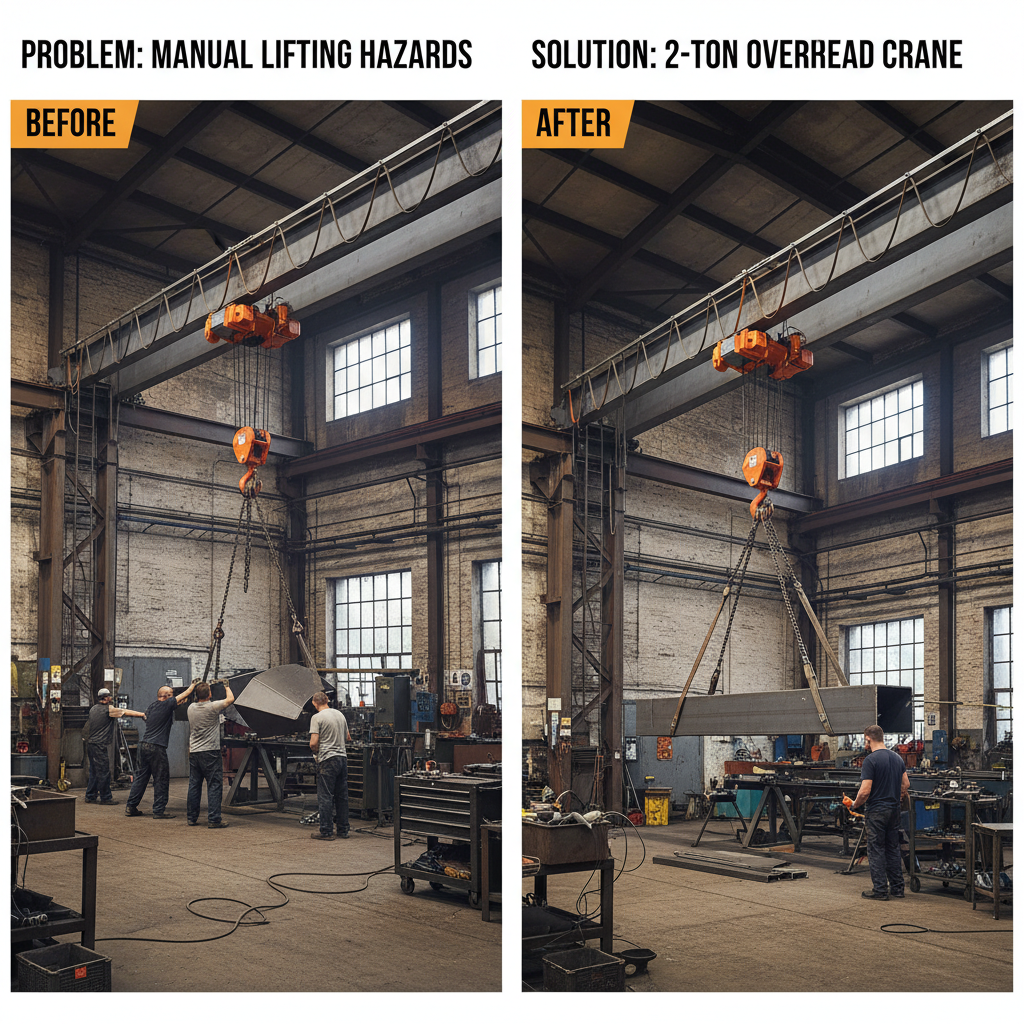
In the demanding landscape of modern industrial logistics, the over head gantry crane stands as a cornerstone of operational efficiency. These robust lifting systems are designed to handle heavy-duty loads across a defined rectangular area, eliminating the physical strain on workers and drastically reducing the time required for material transport. Whether in a sprawling automotive plant or a compact warehouse, the ability to move massive components with precision is what separates a high-output facility from a bottlenecked one.
Globally, the shift toward automation and Lean Manufacturing has placed a renewed emphasis on the versatility of the over head gantry crane. By optimizing the vertical and horizontal movement of goods, companies can maximize their available floor space and improve overall safety protocols. This equipment is no longer just a piece of machinery; it is a strategic asset that enables the seamless integration of production lines and the rapid deployment of heavy materials.
Understanding the technical nuances and application strategies of an over head gantry crane is essential for any facility manager looking to scale their operations. From selecting the right load capacity to ensuring compliance with international safety standards, the right lifting solution ensures that heavy lifting is performed with dignity, safety, and uncompromising reliability, fostering a culture of innovation and trust within the workplace.
Global Industry Context of Over Head Gantry Cranes
On a global scale, the demand for high-capacity lifting solutions has surged alongside the expansion of the "Industry 4.0" framework. According to ISO standards for lifting equipment, the integration of an over head gantry crane is often the first step in transitioning from manual labor to mechanized efficiency. As emerging economies in Southeast Asia and Africa modernize their manufacturing hubs, these cranes provide the necessary infrastructure to handle the massive weight of industrial machinery and raw materials.
The primary challenge facing modern factories is the "space-productivity paradox," where the need for more production equipment clashes with limited floor area. The over head gantry crane solves this by utilizing the overhead cubic space, allowing for an unobstructed floor plan. This structural advantage not only increases the throughput of goods but also minimizes the risk of workplace accidents associated with forklift congestion and manual hauling.
Defining the Over Head Gantry Crane System
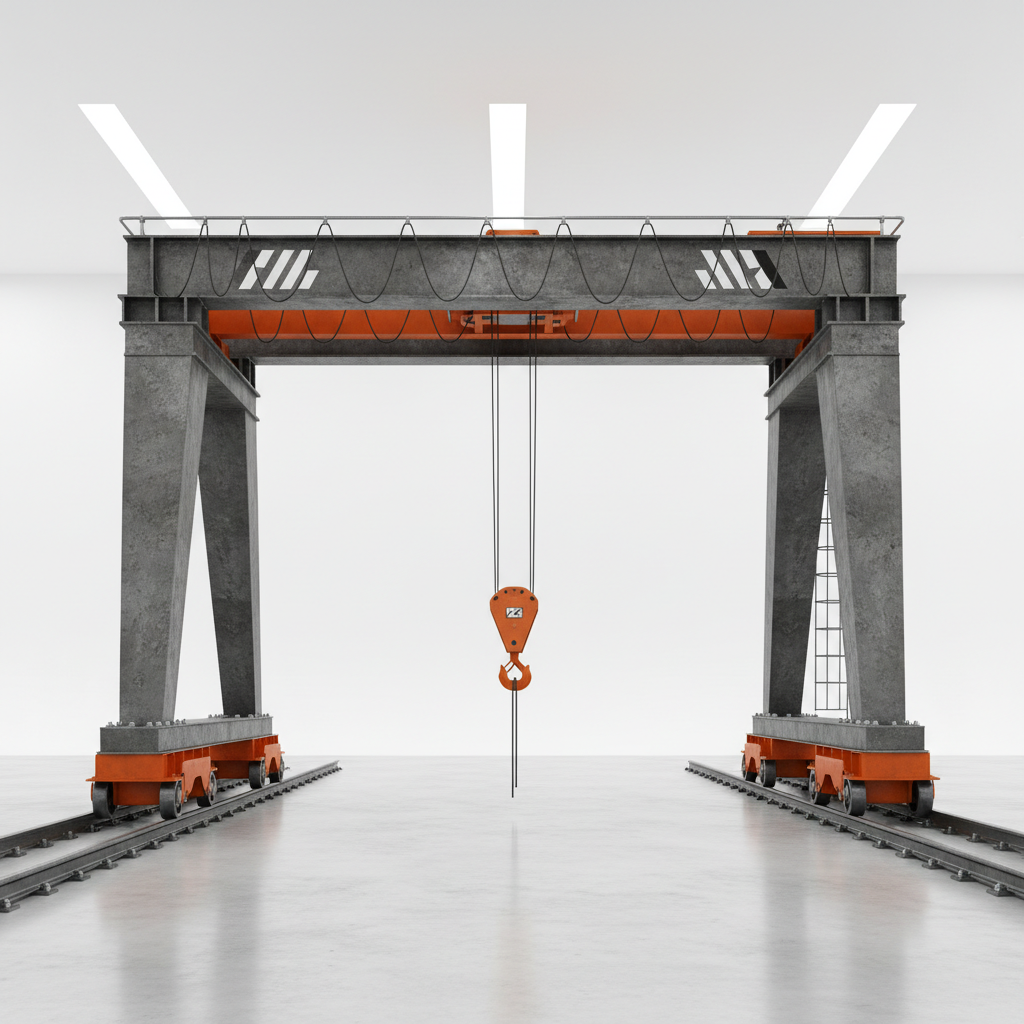
In simple terms, an over head gantry crane is a lifting machine composed of a hoist, a trolley, and a bridge supported by two legs that move along rails or wheels. Unlike bridge cranes that require permanent building supports, gantry cranes are often more flexible, providing a self-supporting structure that can be installed in both indoor workshops and outdoor yards.
Beyond the mechanical definition, these systems represent the backbone of humanitarian and industrial resilience. In remote industrial zones or post-disaster reconstruction sites, the ability to quickly deploy a gantry system allows for the movement of prefabricated housing units and heavy generators, proving that the over head gantry crane is as much a tool for recovery as it is for profit.
Modern versions of these cranes integrate seamlessly with other material handling tools. For instance, combining a gantry system with a Permanent Magnetic Lifter or a Hydraulic Lift Table creates a comprehensive ecosystem where a load can be lifted from a shipping container, moved across a factory, and lowered onto a precision workbench without a single manual lift.
Core Components for Maximum Durability
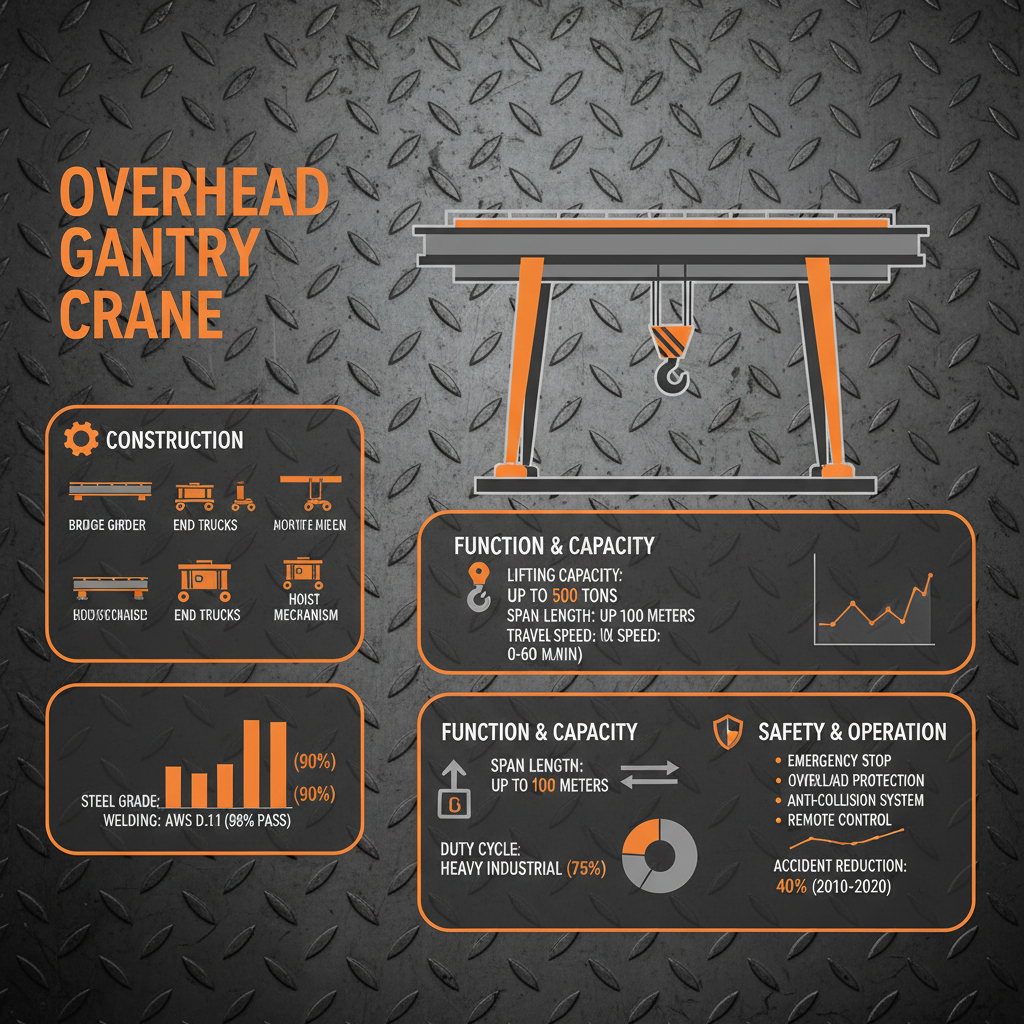
The structural integrity of an over head gantry crane depends heavily on its bridge and leg design. High-grade alloy steel is typically used to ensure that the frame can withstand repetitive stress cycles without fatigue. This durability ensures that the equipment remains operational for decades, provided that routine maintenance is performed on the load-bearing joints.
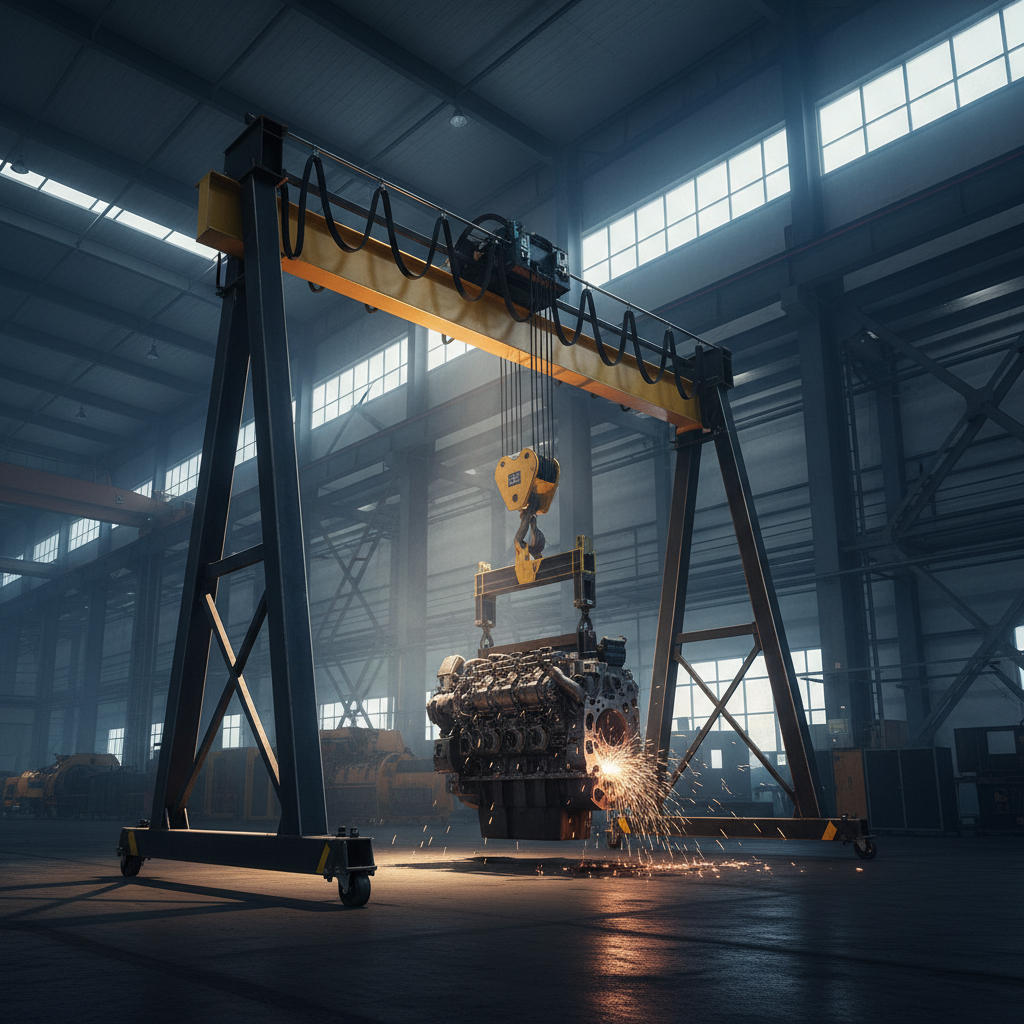
Precision in the hoisting mechanism is where the over head gantry crane truly excels. The integration of variable frequency drives (VFD) allows for "soft starts" and "soft stops," preventing the load from swinging violently. This level of control is critical when handling fragile aerospace components or heavy automotive engines that require millimeter-perfect positioning.
Scalability is another core factor; many modern over head gantry crane models are modular. This allows a business to start with a lower capacity system and upgrade the hoist or extend the rails as their production volume increases. This financial flexibility ensures that the equipment grows alongside the business, maintaining a positive return on investment.
Performance Metrics and Cost Efficiency
When evaluating the cost-efficiency of an over head gantry crane, one must look beyond the initial purchase price. The true value lies in the reduction of "down-time" and the elimination of costly manual labor errors. By automating the movement of heavy loads, companies see a direct correlation in increased hourly output and a significant decrease in workers' compensation claims related to lifting injuries.
Comparing different configurations of gantry systems reveals a clear trend: customized solutions consistently outperform generic models in energy efficiency and speed. A tailored over head gantry crane is engineered specifically for the weight and frequency of the facility's specific loads, preventing the energy waste associated with over-specced motors.
Comparative Efficiency of Over Head Gantry Crane Configurations
Global Applications and Use Cases
The application of the over head gantry crane spans across diverse sectors. In the shipbuilding industry of South Korea and China, massive gantry systems are used to move hull sections and heavy machinery into place. Similarly, in the automotive sectors of Germany and the USA, these cranes are essential for moving chassis between assembly stations, ensuring a smooth, uninterrupted flow of production.
Beyond heavy industry, these systems are increasingly found in specialized workshops. For example, in precision tool-and-die shops, a small-scale over head gantry crane paired with a Spring Balancer allows technicians to manipulate heavy molds with the effort of a feather, blending power with extreme precision to maintain tight tolerances.
Long-Term Value and Safety Advantages
Investing in a high-quality over head gantry crane provides a psychological benefit that is often overlooked: employee confidence. When workers know that heavy loads are handled by a certified, stable system rather than makeshift pulleys or manual strength, morale improves and the workplace culture shifts toward professional safety.
From a logical standpoint, the long-term value is seen in the reduction of insurance premiums. Most industrial insurance providers offer lower rates to facilities that utilize standardized lifting equipment like the over head gantry crane, as it drastically reduces the likelihood of catastrophic dropped-load accidents.
Sustainability is also a key driver. By optimizing the path of travel for materials, an over head gantry crane reduces the need for multiple fuel-consuming forklifts to move the same object, thereby lowering the carbon footprint of the facility's internal logistics.
Future Trends in Gantry Crane Innovation
The future of the over head gantry crane is inextricably linked to the digital transformation of the factory. We are seeing the rise of "Smart Cranes" equipped with IoT sensors that can predict component failure before it happens. Predictive maintenance allows operators to replace a wearing gear or a fraying cable during scheduled downtime, eliminating the cost of unexpected production halts.
Automation and AI are also redefining the user interface. Future over head gantry crane systems will likely feature autonomous movement, where the crane "knows" where the next part is located and moves to pick it up without human intervention, guided by LiDAR and computer vision.
Additionally, the move toward "Green Lifting" is introducing lightweight carbon-fiber composites into the bridge construction, reducing the dead weight of the over head gantry crane and allowing for more energy-efficient motors to move heavier loads.
Comparative Analysis of Gantry Crane Technological Tiers
| Tech Generation |
Control System |
Energy Efficiency |
Safety Level |
| Traditional Manual |
Hand Chain / Manual Push |
Low (Human Effort) |
Basic (Mechanical) |
| Electric Standard |
Pendant / Remote Control |
Moderate |
Standard (Limit Switches) |
| VFD Optimized |
Frequency Inverter |
High |
Advanced (Smooth Start) |
| IoT Integrated |
Digital Twin / Cloud |
Very High |
Predictive (Sensor-based) |
| Semi-Autonomous |
PLC / Programmed Path |
Optimal |
High (Auto-stop/Anti-sway) |
| AI-Driven |
Neural Networks / LiDAR |
Ultra-Optimal |
Maximum (Obstacle Avoidance) |
FAQS
The primary difference lies in the support structure. An over head gantry crane is supported by legs that move on rails or wheels, making it a self-supporting unit that can be used outdoors or in spaces without existing support beams. A bridge crane, conversely, relies on existing building columns or elevated runways to support its bridge. This makes gantry cranes more versatile for temporary setups or outdoor yards.
First, identify the heaviest single load you intend to lift. Then, add a safety margin of 15-25% to account for dynamic loading and potential future increases in part weight. It is also crucial to consider the "duty cycle"—how many times per hour the crane will be lifting. For high-frequency use, a higher-rated hoist is necessary to prevent overheating and premature wear.
Yes, especially in large facilities. An electric over head gantry crane moves loads in a straight line and utilizes gravity for lowering, consuming significantly less energy per ton-meter than a fleet of gas or electric forklifts. Additionally, by removing the need for forklifts to navigate cluttered floors, the overall operational flow is streamlined, reducing idle energy waste.
Regular maintenance should include daily visual inspections of cables and hooks, monthly lubrication of the trolley and bridge wheels, and annual structural certification by a qualified engineer. Specifically, check for bolt tightness in the leg-to-bridge joints and test the limit switches to ensure the hoist stops correctly at the top and bottom of its travel.
Absolutely. Gantry cranes are ideal for outdoor use because they are self-supporting. However, for outdoor installation, you must ensure the equipment has a weather-resistant coating (such as galvanized steel) and that the electrical components are rated for the local environment (IP-rated enclosures) to prevent corrosion and short circuits caused by rain or dust.
It removes the "human element" from high-risk lifting. By utilizing a stable, engineered structure, the risk of muscle strain and crushing injuries is minimized. Modern systems also include anti-sway technology and overload sensors that automatically lock the system if a load exceeds the rated capacity, providing a fail-safe that manual lifting simply cannot offer.
Conclusion
The integration of an over head gantry crane into an industrial workflow is more than just a mechanical upgrade; it is a commitment to safety, efficiency, and long-term scalability. By analyzing the global context, core structural components, and the emerging trends of AI and IoT, it becomes clear that these lifting systems are indispensable for any operation aiming for high-precision, heavy-duty material handling. From reducing operational costs to enhancing the dignity and safety of the workforce, the gantry crane remains the gold standard for overhead logistics.
As we look toward a future of autonomous factories and green energy, the evolution of the over head gantry crane will continue to push the boundaries of what is possible in manufacturing. We recommend that facility managers audit their current lifting capacities and explore modular, VFD-equipped systems to stay competitive. To discover the perfect lifting solution for your specific needs, we invite you to explore our professional range of equipment. Visit our website: www.daweihoisting.com